



The loss of Britain’s triple A credit rating won’t make much difference
Sometimes, even abject policy failure doesn’t make much material difference. This is the paradox of the UK government’s loss of its AAA credit rating.
Sometimes, even abject policy failure doesn’t make much material difference. This is the paradox of the UK government’s loss of its AAA credit rating.

The blame for the downgrading of the UK’s triple-A credit rating by Moody’s can be laid squarely at the door of the government.

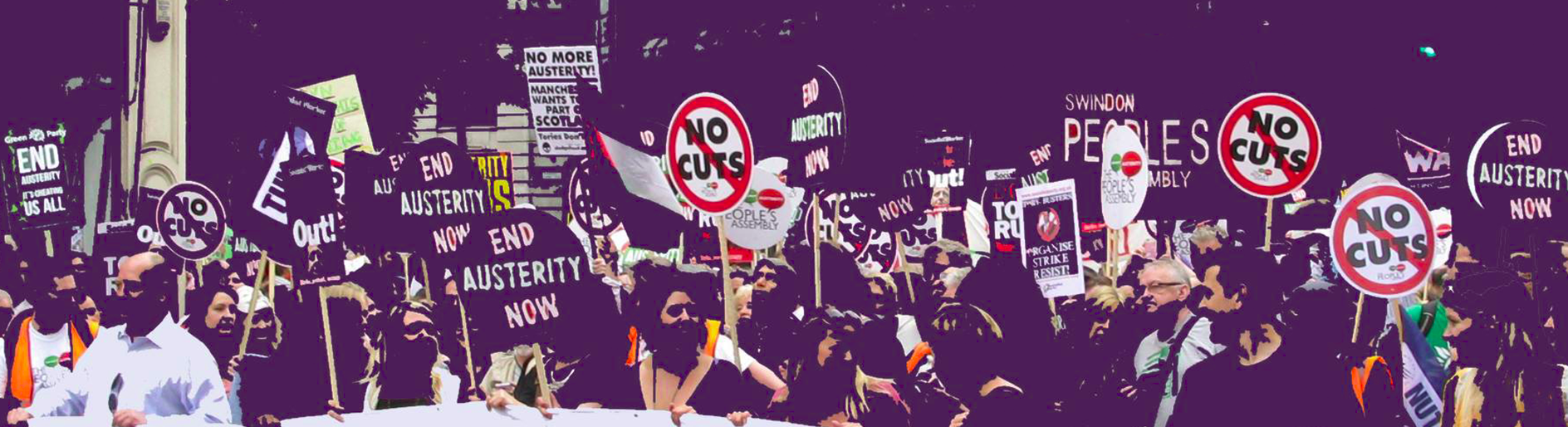
Labour’s increasing lead in the polls indicates that austerity is more unpopular than the EU.
If the coalition is to meet its spending targets it will have to make further cuts to departmental budgets.

Tony Dolphin is the chief economist at the IPPR and a regular contributor to The Guardian and New Statesman. During the autumn statement last month, George Osborne claimed that the UK economy was slowly on the mend; however, the latest data indicates the opposite may betest

This afternoon saw a reaffirmation of coalition vows from the Conservatives and Lib Dems, along with a host of statements of values, all outlined in their ‘mid-term report’. Inevitably, Labour has retorted with a document of their own outlining thetest

With ‘fairness’ representing a significant trend in last year’s political rhetoric and debate, Richard Bassford looks at whether this will continue into 2013.

Ahead of the Autumn Statement, Kevin Gulliver looks at the costs – economic and human – of the social housing crunch.

CentreForum’s submission to the Autumn Statement calls for measures to ensure the vulnerable in society don’t feel the brunt of austerity.

Addressing yesterday’s TUC “After Austerity” event, Lib Dem peer Lord Oakeshott attacked the “grotesquely large” pay gap in society.