


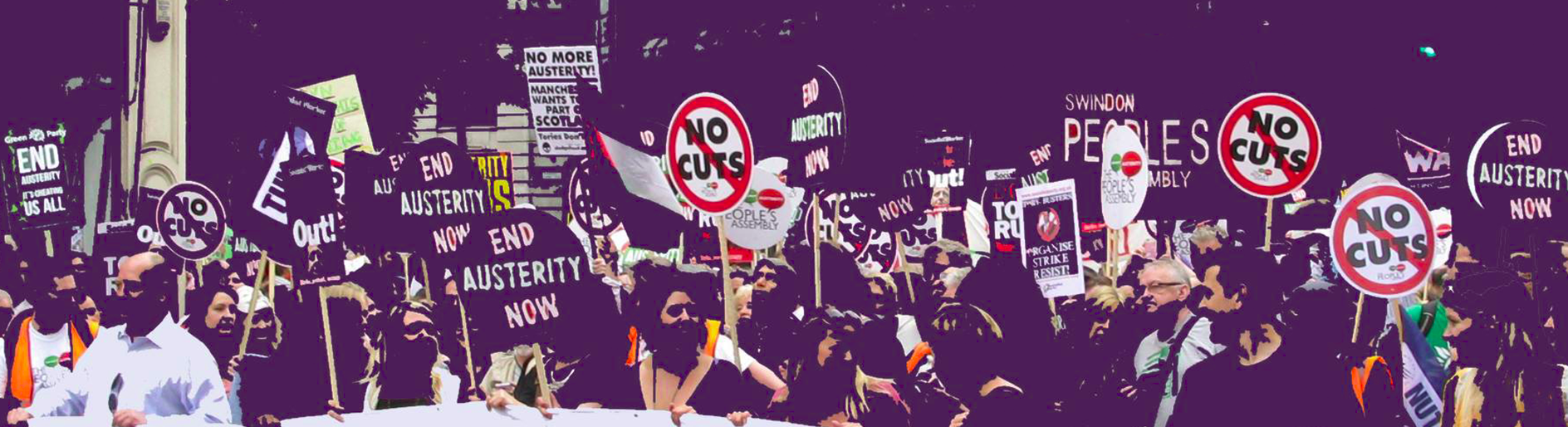

The madness of more of the same
The gravest global economic crisis since the 1930s was clearly a crisis of the private sector – yet it is the public sector which is getting the blame and must be cut.
The gravest global economic crisis since the 1930s was clearly a crisis of the private sector – yet it is the public sector which is getting the blame and must be cut.

If the Welfare Reform Bill passes, the results will be horrific and at the Department for Work and Pensions, they are confident that it is a price worth paying.

Leading City journalist Anthony Hilton has said the government needs to “move on from tough talk about cuts”, and concentrate on restoring economic growth.

Following the International Energy Agency’s announcement carbon emissions have hit an all-time high, the Fabian Society’s Natan Doron looks at the government’s record.

A report to “produce a feasible set of reforms that deal with the economic crisis in an alternative way” is being drawn up by a group of progressive think tanks.

The deputy secretary general and chief economist of the OECD, Pier Carlo Padoan, tells UK chancellor George Osborne to “slow down the pace of spending cuts”.

The OECD is starting to come round to Labour’s view of Chancellor Osborne’s cuts: they are too fast and too deep; Matthew Pitt reports from Parliament.

Ann Pettifor takes Mr Osborne to task for the latest figures on borrowing that show his austerity plan is working the way he planned.

George Osborne, caught between conflicting interests, is not carrying out the necessary banking reforms to ensure the stability of the industry.

Natan Doron makes the case for Gordon Brown to lead the IMF.