Driven to disaster: The major flaw in Labour’s Green New Deal plans
Electric cars aren't going to save us.
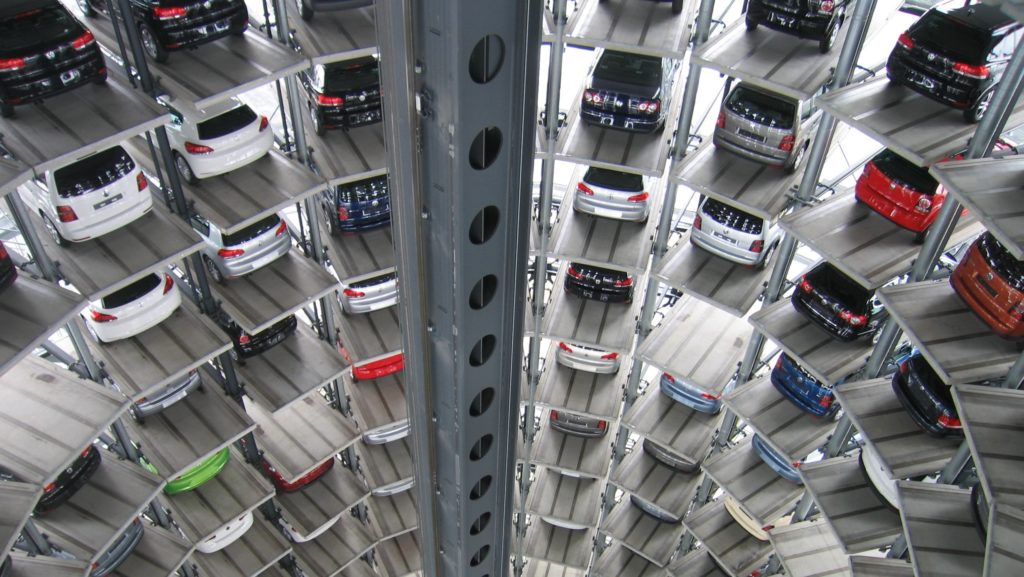
The Labour Party is going for an electric vehicle revolution, with a pledge to invest £3.6bn to expand the electric charging network and help deliver over 21m electric cars by 2030 (two thirds of the car fleet).
It’s great news – but don’t think that this is job done on reducing pollution.
Electric vehicles do less damage to the climate than most petrol or diesel cars in the UK, but they still do damage. Some of this damage depends primarily on whether they are powered exclusively from renewable energy, or the usual mix of grid electricity.
For example, recent studies in Germany and Australia have both questioned whether electric vehicles are better than combustion engines in countries where coal remains a significant part of the mix when producing grid electricity.
This makes it vital that the government creates a rule that electric charging points must use only renewable energy – anything less, leaves question marks about the value of the switch to electric.
The truth is that comparisons between electric vehicles and conventional vehicles are complex. They depend on the size of the vehicles, the accuracy of the fuel-economy estimates used, how electricity emissions are calculated, what driving patterns are assumed, and even the weather in regions where the vehicles are used. There is no single estimate that applies everywhere.
For example, batteries made in Asia for electric cars, with the dominance of coal fired power stations will be less damaging over the vehicle’s lifetime, than your average car – but still not as good the best rated conventional car.
Fortunately, most batteries are made in countries using electricity with a much lower carbon mix, which means they beat all conventional rivals. My point is that while electric vehicles can help save the planet, don’t assume that is always the case.
There needs to be some realism about how big a step forward this EV revolution will be. Transport is now the UK’s largest sectoral source of carbon emissions, accounting for a full third of our total carbon output. It is the only sector where emissions have not reduced. Technical fixes are never enough.
Despite all the fuel efficiency and carbon reduction measures of the last 20 years, emissions from transport actually went up last year. To hit zero carbon by 2030, you must reduce the total number of cars, white vans etc…rather than just make them all electric.
A government sponsored calculation published in 2008 had an optimistic ‘extreme’ scenario where we had 5.8m EV cars and 14.8m Hybrid cars by 2030. This is around what Labour were promising and yet it only reduced the total transport sector emissions by 17%.
I think that reducing emissions by a fifth is great, but it’s still way off zero emissions by 2030. I accept that the 2008 study is out of date, but we are way behind their optimistic schedule. The number of conventional vehicles (especially white vans) has gone up and so has their average mileage.
The key thing is the 2008 study assumed that a third of electricity would come from renewables by 2030, and while we are on track to deliver that, we could do so much better. For example, my rule that public and business charging points should use 100% renewable energy would quickly drive up demand.
The latest projection by the National Grid expects to see 10m EVs on the road by 2030, which makes the Labour Party’s aim of doubling that appear ambitious. But even if we accept current estimates of EVs cutting greenhouse gas emissions by half, then transforming two thirds of the car fleet by 2030 is far from zero emissions, especially when we need to convert all the vans and lorries as well.
Electric vehicles make things better, but they don’t eliminate the problem. To do that you have to challenge the ‘car is king’ culture. They still add to congestion on the roads, take valuable space for parking, and the drivers still run over people and injure or kill thousands. Plus tyre wear from electric vehicles still creates particulate pollution. Traffic jams might smell better, but the disruption to communities continues.
As Leo Murray points out: “Manufacturing a battery powered electric passenger car emits 6-16 tonnes of CO2e. As one and a half metric tonnes of metal, plastic and glass carrying an average human payload of little more than 100kg, privately owned cars are in use for just 4% of the time, spending the other 96% of their time parked. Each car parked on the street turns twelve square metres of the public realm private.”
The rapid transformation to electric vehicles gives us the opportunity to rethink how those vehicles are used and to boost the public transport alternatives to private vehicle use.
We need car sharing on a massive scale. We need delivery consolidation centres to end the growing fleets of white vans all travelling miles to drop off at the same addresses.
Above all, we need traffic reduction – i.e. fewer vehicles, rather than £25bn being spent on new roads to accommodate traffic growth.
And that’s before we get to discussing Heathrow expansion…
Baroness Jenny Jones is a Green Party peer.
Left Foot Forward doesn't have the backing of big business or billionaires. We rely on the kind and generous support of ordinary people like you.
You can support hard-hitting journalism that holds the right to account, provides a forum for debate among progressives, and covers the stories the rest of the media ignore. Donate today.
Donate today