


Seven ways government could work better – and why it must
Roz Savage sets out how government in the UK could be improved
Roz Savage sets out how government in the UK could be improved

Malcolm Offord edited a paper which urged a “dialogue” on introducing charges in the NHS and rolling back on free prescriptions in Scotland.
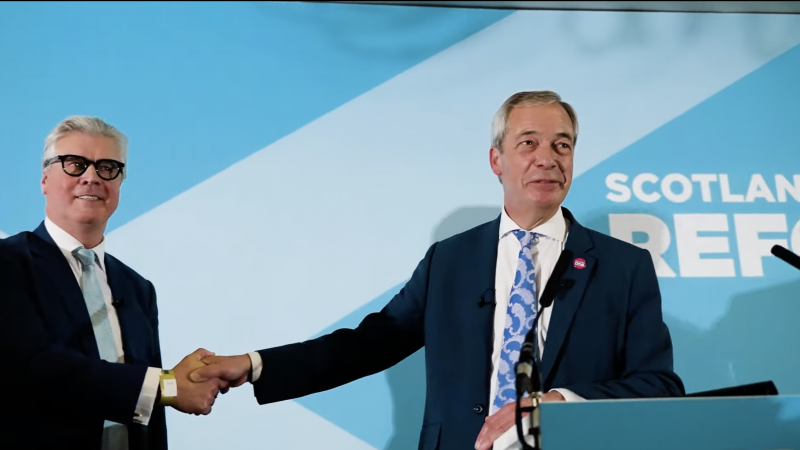
“It is part of a broad downwards trend in Reform support”


Today the Mayor of London Boris Johnson, set out his ‘2020 Vision’ report for the capital. The report launch is the beginning of Boris Johnson’s long-goodbye to London as his attention increasingly turns elsewhere.

In a piece for Slate magazine, Matt Yglesias has pointed out a potential problem for Eurosceptics on the back of the Prism surveillance scandal. Essentially, the European Union is acting as a bulwark against American attempts to snoop on the browsing habits of us Europeans.

The idea that social security spending got out of control under Labour isn’t really backed up by Department of Work and Pensions evidence.
Those who hate the state love leaks of the sort The Guardian has been publishing. They justify their ‘Big Brother’ view of all that is supposedly bad about government.

Labour was in government during the period in which the Mid–Staffordshire NHS Foundation Trust presided over the abuse and neglect of thousands of patients, leading to many deaths.

In the latest instalment of Labour’s on-going expectation’s management effort to level with the public about what it can and can’t achieve in such a difficult financial environment, Carwyn Jones who, as first minister of Wales remains the leader of the only Labour government in the country, has warned of further cuts to come to unprotected budgets.

Today’s Energy Select Committee Report on the Severn Barrage is disappointing. The Committee are clear that they would support the creation of the Barrage on the Severn estuary subject to the fulfilment of certain environmental, social and economic criteria.

The government’s decision to impose an income requirement suggests that the true motivation is simply to reduce numbers, as every British family ‘stuck’ abroad, or separated, helps to reduce net migration.

A businessman who donated £1.65m to the Labour Party is also a major trustee of a charity which has funded the Taxpayers’ Alliance to the tune of over million pounds since 2008.

Across the world attitudes towards homosexuality roughly correlate to how wealthy and secular a country is, according to Pew Research’s Global Attitudes Project.