
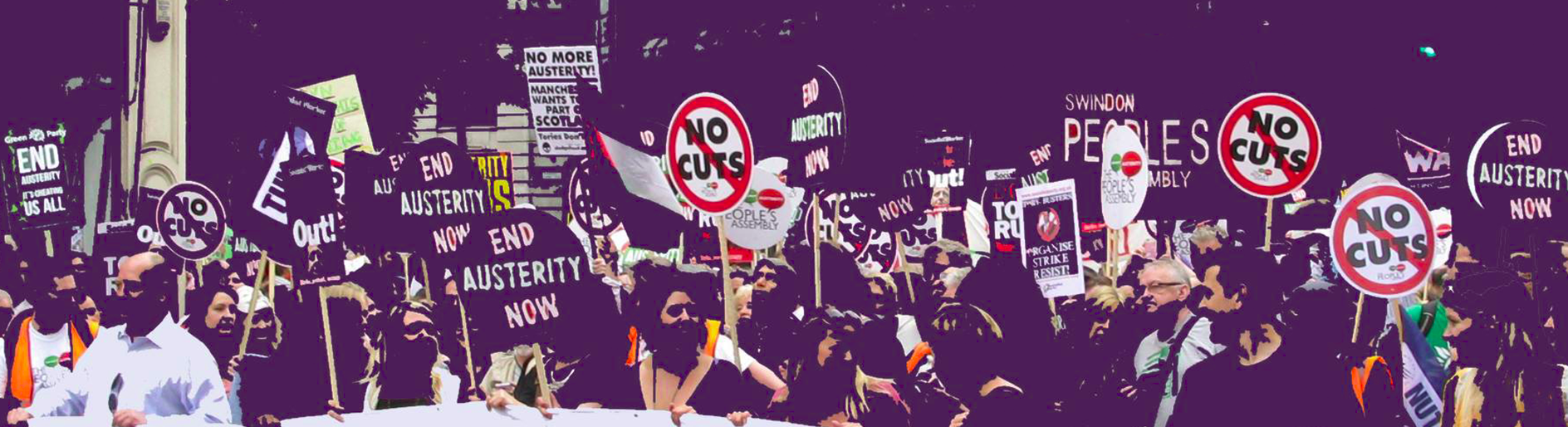
High inflation puts on Plan B on hold – is there a Plan C?

George Osborne has announced the biggest tightening of fiscal policy over a four-year period since World War II, to be achieved mainly through cuts in public spending. He believes that it will lead to lower long-term interest rates and, by increasing certainty about future levels of taxes, boost consumer and business confidence.

Don’t let climate change slip down the agenda – join the march on December 4th

The National Climate March takes place on the 4th of December – it’s the one time in the year we put as many people together as we can to say we need radical action to address the climate emergency, one simple thing we can do. This event doesn’t just happen – people work like crazy to make it happen – all you have to do is turn up, to make their work worthwhile.

Wales and Scotland set to publish draft austerity budgets

Over the next fortnight, the devolved bodies are expected to publish their draft budgets against the background of the toughest fiscal environment since the birth of devolution. Last week Left Foot Forward reported on the double whammy being faced by Northern Ireland with health minister Michael McGimpsey warning of “large numbers of redundancies” in the NHS and substantial concerns over the impact of the UK government’s welfare reforms on the most vulnerable.

Will the “greenest government ever” get the rainforest off our plates?

Tomorrow the House of Commons will debate a new law to make the UK’s meat and dairy production more sustainable, but it is still unclear whether or not the self-styled “greenest government ever” is going to back it. South American rainforests and wildlife rich grasslands are being trashed to graze animals for export to the UK and Europe – and to grow soy to feed our factory farms. This problem is being largely ignored by the Government.

Bank of England forecasts lower growth and high inflation

In his opening remarks at the press conference to launch the report, Mervyn King, the Bank’s Governor, highlighted how these uncertainties mean that inflation could turn out higher than forecast (for example if commodity prices continue to increase at a rapid pace or if inflation expectations rise) or lower than forecast (if wage increases remain low and import price inflation fades).

More immigration cap anger from small businesses

Fast-growing small businesses are the latest group to speak out against the immigration cap, saying the restrictions on hiring non-EU migrants are forcing them to turn away work because they are unable to hire the right people. The news follows twin criticisms of the cap last week from the prime minister’s election speechwriter and the House of Commons Home Affairs Committee.