We need a budget to save our shops, make work pay and tackle the cost of living crisis
Usdaw general secretary Joanne Thomas sets what should be in John Healey's budget
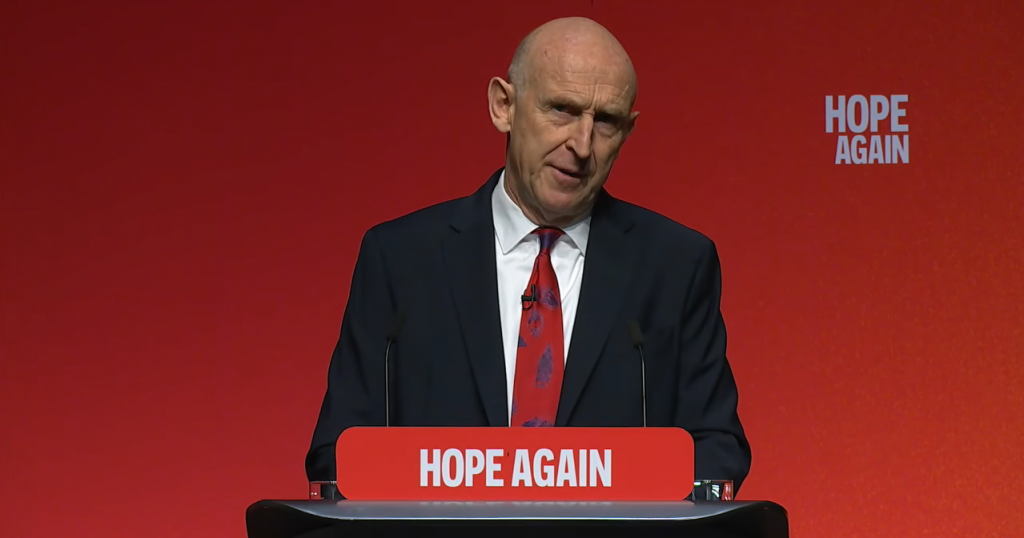
Joanne Thomas is the general secretary of Usdaw
The UK economy continues to struggle after the legacy of an incompetent and chaotic Conservative government, which left us in a weak position to deal with global events. Tory and Lib Dem austerity, Boris’ bad Brexit deal and Liz Truss’ disastrous budget all contributed to leaving the UK economy vulnerable to the impact of conflicts across the world and climate change. We welcome the steps that Labour has already announced to help save our shops, tackle the cost of living crisis, help make work pay and reform Universal Credit, but there is still much more to do.
Usdaw members, who are key workers serving their communities, continue to suffer as a result of the cost of living. This is reflected in our most recent cost of living survey results from over 7,500 Usdaw members, highlighting a worrying number of low-income workers relying on unsecured loans to meet the cost of everyday essentials: 1 in 4 have struggled to pay everyday bills in the last 12 months and have had to rely on borrowing. A quarter of this was using unsecured borrowing such as payday loans or buy-now-pay-later services. 59% said financial worries are having an impact on their mental health.
Listening to our members’ very real experiences illustrates the scale of the problem: “We are in debt with essential household bills such as energy costs and council tax. We’re now stuck in a never-ending cycle of not being able to gain control of our debts, despite earning enough on paper, as we’re constantly chasing our tails and so overwhelmed”. “Wages stay the same, yet bills go up, food goes up; it makes it hard to be able to pay bills and for travel to work and then comfortably afford to buy a food shop”. “There’s no cushion. If something happened to my car, how would I get to work? I start at 5:30am and public transport doesn’t run that early. How would I pay to get it fixed? I’d have to spend £20 on a taxi to work knowing in my mind that my 5.5-hour shift has just been cut to 3.5 hours’ worth of pay because I’ve spent £25-£30 on transport. It’s a real worry”.
In the last 12 months, nearly a quarter of Usdaw members have had to cut back on heating or electricity use, as a result of financial pressures. With energy prices rising, we are extremely concerned that this pressure will be exacerbated and more low-income households will be forced to choose between heating or eating. We welcome the government’s action to cut VAT on electricity bills but we believe that this does not go far enough, nor is it sufficiently targeted. The government must put in place support for households facing energy debt and help with bills for those who need it most.
The Employment Rights Act will help make work pay and improve job security if delivered in full, and we will be looking to the chancellor to announce another substantial increase in minimum wage rates to reflect the cost of living and end rip-off youth pay. Usdaw has participated in the government’s review of paid parental leave, to help transform the support working parents receive, and we welcome the expansion of childcare provision delivered by Labour. We are calling for substantial reform of Universal Credit to build on the success of abolishing the two-child limit.
Job security is a key priority for our members. We support the government’s commitment to ‘growth in every postcode’ and the retail sector has a significant role to play in delivering this. We welcome the action the government has already taken in reducing business rates for pubs, clubs and live music venues. Alongside this, Labour has a manifesto commitment to level the playing field between the high street and online giants. So, confirmation from the chancellor that the government will be producing a high streets strategy is welcome, but it is essential that it is linked to the wider industrial strategy, including exempting large physical retail premises from the higher rates multiplier.
A fairer tax system is needed so that we can rebuild our public services without placing additional burdens on low-paid workers. There is strong public support for the wealthiest paying their fair share of tax. The freezing of thresholds until 2031 brings millions of workers and pensioners into either paying tax for the first time or increasing the amount they pay, putting more strain on low-income households. The government needs to take the impact of this into consideration and look at whether there are alternative ways to raise the much-needed funding for investment in our public services.
Times are too tough for too many and this needs to be a Budget that addresses the very real issues that impact workers. Pay, hours and job security are the real priorities for our members.
Left Foot Forward doesn't have the backing of big business or billionaires. We rely on the kind and generous support of ordinary people like you.
You can support hard-hitting journalism that holds the right to account, provides a forum for debate among progressives, and covers the stories the rest of the media ignore. Donate today.
Donate today