Why John Healey should prioritise the arts in the budget
Equity's head of policy and public affairs makes the case for arts funding in the budget
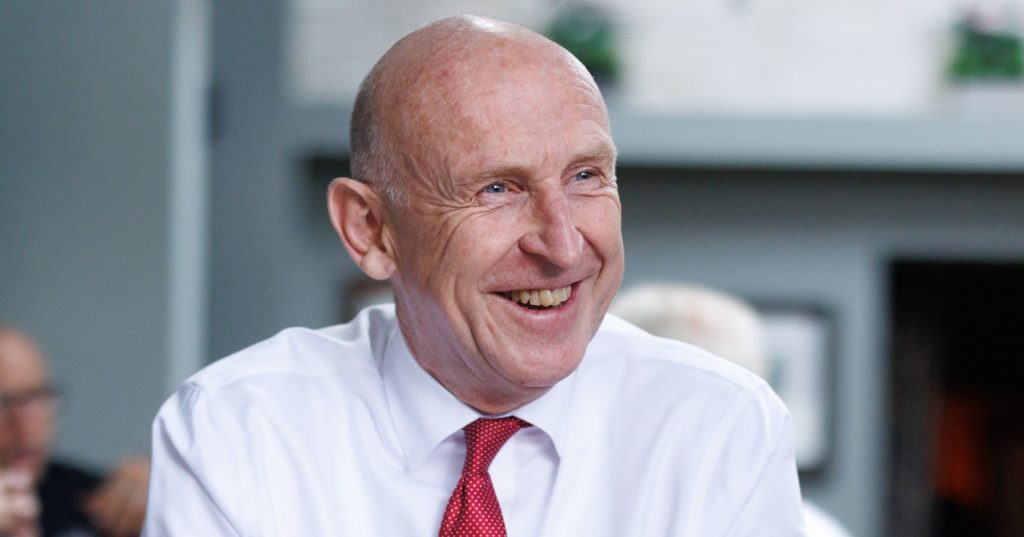
Tom Peters is Head of Policy & Public Affairs at Equity
The 1997 Labour government brought about something of a golden age in public support for the arts. Then culture secretary Chris Smith MP, with the help of a young special adviser called Andy Burnham, began to increase the Arts Council England’s grants budget substantially every year. It was nearly twice the size when Burnham was himself appointed secretary of state for culture a decade later.
It is often heard among the arts sector today that such a big investment was an anomaly. That our industries were the passive beneficiaries of a period of unprecedented growth, which provided lots of cash for ‘nice to haves’. But now there are too many other priorities and too few resources to consider the arts.
The pessimists have short memories. Chancellor Healey, our eighth in ten years, would do well to ask his new boss in No.10 why it was that he was so committed to investing in the arts in his early political career and what the last Labour government felt our creative industries could contribute. The new prime minister’s reply might address three themes.
First, the arts are a producer of growth, not just a product of it. In 2022, the UK arts sector alone contributed £49billion GVA to our economy. Every creative job generates an additional two jobs in the local area over twenty years. The Society of London Theatre finds that every £1 spent on theatre generates £1.40 in the local economy. Our film and TV workforce attracts £7bn in inward investment and generates £1bn at the UK box office. Creative industry exports are worth £60bn. A government seeking growth cannot ignore the role that arts and entertainment investment plays in delivering it.
The government is not just seeking growth however, but ‘growth in every post code’. The last Labour government recognised the critical role that the arts could play in driving devolution, through regional creative industries policies, the Regional Development Agencies, screen agencies and Arts Council England. Over the period, the arts became an important medium for the transfer of power and decision-making away from Westminster and national recognition for the full diversity of places and cultures across the UK.
The expansion of strategic authorities today and the inclusion of ‘culture’ within their competencies presents an opportunity to progress this project further. Strategic authorities should have a greater role in coordinating and developing their arts and entertainment economies, drawing Arts Council England grant spending, local government arts funding, support for Culture Priority Places, local jobs plans, and Public Service Broadcasting investment together into a coherent economic framework. One that would generate jobs through increased artistic production and offer more opportunity for local people to see themselves reflected in cultural life. Decent arts provision was once devolution’s forerunner and should now be so again.
Finally, the last Labour government recognised that public support for the arts could help to realise social policy objectives, whether through economic regeneration, tackling social exclusion, strengthening community bonds or fostering diverse local cultures and pride of place. Though the far-right’s recent precipitous rise appears to have plateaued for now, the drivers of their support, and the threat that they pose to our social fabric, have not gone away. The arts has a role here, in revitalising economically depressed areas, providing a new focus for communities to rally around and offering a chance for all to share in the cultures and experiences of others. This seems more important now than ever.
Each of these themes has been tried and tested by the previous Labour governments in which Andy Burnham served. The academic analyses are already published and the evidence bases built. So next time the chancellor asks colleagues in No.11 why he should prioritise the arts in his budget, perhaps the best person to answer is the man living next door.
Image credit: Simon Dawson / Number 10 – Creative Commons
Left Foot Forward doesn't have the backing of big business or billionaires. We rely on the kind and generous support of ordinary people like you.
You can support hard-hitting journalism that holds the right to account, provides a forum for debate among progressives, and covers the stories the rest of the media ignore. Donate today.
Donate today