Royal financial privileges show that we are not in it together
This week, after perfunctory scrutiny, the UK parliament approved a core Sovereign Grant of £99.9m (from 2027/28) for the King, […]
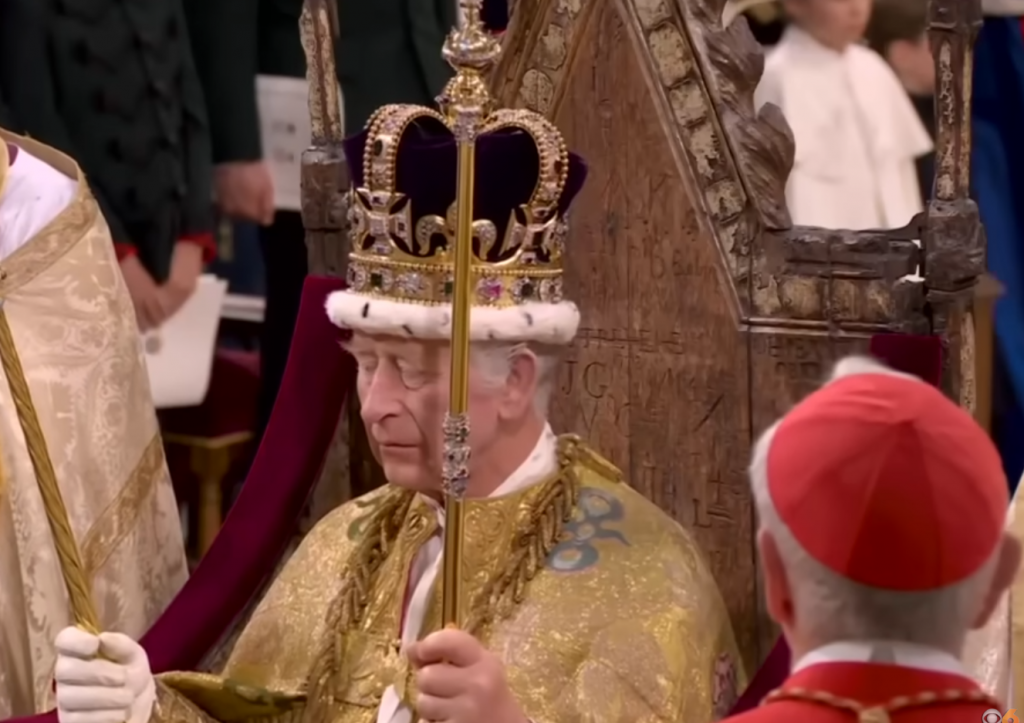
This week, after perfunctory scrutiny, the UK parliament approved a core Sovereign Grant of £99.9m (from 2027/28) for the King, a 93% increase from the £51.8m for 2024/25 and 65% higher in real terms than in 2016/17.
The increase will take place against a background where the average real wage has hardly moved since 2008. Some 13.4m people, including 4m children, live in poverty. 25.3m people, including 14.9m working adults and 7.7m children, live below minimum income standard. Healthy life expectancy is shrinking and around 300,000 people a year die prematurely whilst waiting for a hospital appointment.
The Sovereign Grant covers the cost of maintaining royal residences, official engagements undertaken by the King and other members of the Royal Family acting on his behalf, and employment costs for Royal Household staff supporting the King as head of state. This is in addition to around £370m spent on refurbishment of Buckingham Palace via higher Sovereign Grants in the last 10 years. The revenue from Buckingham Palace tourism goes to the King. A book by former Liberal Democrat MP Norman Baker stated that the royal family utilizes 21 properties officially categorized as royal residences, alongside 13 additional properties. Inevitably, there are questions about why the royals need 21 properties to fulfil their royal duties. Are any rented out? Where does the income go?
Comparison with other European monarchies is not always straight forward but the royal family seems to receive very generous public funding. It is around £42m in Norway, £52m in the Netherlands, £18m in Denmark, £13.5m in Sweden, £7.1m in Spain, and zero in Liechtenstein.
In the UK, individuals receiving public money are frequently means-tested. For example, anyone with lifetime savings of over £16,000 is generally disqualified or severely restricted from receiving Universal Credit, Housing Benefit, or Income Support. Such tests do not apply to the royal family which is estimated to have wealth of £21bn.
The Sovereign Grant is meant to cover only the ‘official’ expenses of the Sovereign. However, official’ and ‘personal’ expenses are not easy to distinguish. Are support staff, palaces, various residences, servants, kitchens, chauffeurs for personal or official purposes? Whatever is personal should not be funded by the public purse. During the parliamentary debate Ministers were asked to clarify but did not respond.
The Royal Household does not submit a transparent annual Budget request to the Treasury, detailing what is needs and how it will spend. Instead, the Sovereign Grant is based on a formula linked to profits of the Crown Estate. The amount of the Grant is frozen against losses when profits fall, yet fully open to the upside when they surge.
The Crown Estate is essentially property and businesses owned by the royal family. Their legal status is contested. Do the Crown Estate, the Crown Jewels, paintings, artworks, antiques, the Duchy of Cornwall and the Duchy of Lancaster belong to the nation and held in trust by the royal family or are they private property? If they are held in trust for the nation, then all revenues must go the public purse, and parliament must then decide what the royal family needs to discharge its public duties. But that is not what happens. If they are private property, then those assets and the related income streams must be taxed in the same way as any other private property is, and the beneficiaries must pay income tax, capital gains tax, corporation tax and inheritance tax. That doesn’t happen either.
The Duchy of Lancaster and the Duchy of Cornwall are major sources of income and wealth for the King and Prince William but are not legally liable to pay income tax, capital gains tax or inheritance tax. However, the King pays income and capital gains tax on a voluntary basis on his assets, a practice started by Elizabeth II in 1993.
The Sovereign Grant doesn’t count as income for tax purpose but if normal individuals receive money from the state to enable them to make ends meet, such sums are taxable. For example, the state pension, carer’s allowance, contribution-based jobseeker’s allowance, and contribution-based employment and support allowance are all taxable.
To address public concerns, in June 2026, Buckingham Palace announced that “the amount of tax payable by His Majesty since Accession is more than £30 million. In the two full tax years since becoming King, His Majesty’s tax bill was £11.7 million in 2023-24 and £12.9 million in 2024-25 respectively”.
The Prince of Wales also pays tax voluntarily on his income from the Duchy of Cornwall to the extent that is not used to meet official expenditure. The Prince of Wales declared that he paid £7.76m tax over the same period.
This does not amount to transparency and does not tell us anything about the tax that should or could have been paid. Little is publicly known about the royal family’s total income, wealth, gifts, capital gains, inheritance, dividends or profits. Almost nothing is known about the King’s investments, how they are held, where they are held and income therefrom. Despite the King’s concerns about the environment, no information is provided about the environmental impact of the Royal Households, frequent domestic and foreign flights and multiple residences. Recently, royal family bought two helicopters at £8m each through the Sovereign Grant, whilst air ambulance service relies upon charitable donations.
The Duchy of Cornwall
One of the most anomalous positions in the monarchy is that of the Duchy of Cornwall. It is owned by the Duke of Cornwall (Prince of Wales and heir to the throne). Is it a public organisation, a Crown body, a corporate conglomerate or a private fiefdom?
If it is part of the Crown, then all the checks, balances, scrutiny and accountability that apply to ‘public’ assets should also apply to the duchy and its custodian (i.e. Prince Williams). Its records should be subjected to periodic scrutiny by the National Audit Office to determine whether the organisation is operating efficiently and effectively and that the public is getting value for money. None of this applies to the Duchy, as we are told that it is a private estate.
The Duchy is a giant commercial organisation. Its business extends far beyond the borders of Cornwall. It is one of the biggest landowners spread across 20 counties in England and Wales. Its operations include or have included biscuits, snacks, jam, marmalade, honey, chocolate, organic food, seeds, holiday cottages, farm produce and warehouses. It owns the Oval Cricket ground and receives public money by leasing out Dartmoor prison to the government.
Under archaic laws, the estate of deceased intestates resident in Cornwall and dying without next of kin passes or assets remaining following dissolution of a company registered in Cornwall passes to the Duchy of Cornwall. Similar law applies to the Duchy of Lancaster. The amounts, after deducting costs, are passed to the Duke’s favoured charities. Elsewhere, the amounts go to the state.
Its 2026 accounts show total assets of £1.3bn and financial surplus of £21.55m, which passes to the Duke of Cornwall. The Duchy competes with local and national businesses, but it does not pay corporation tax or capital gains tax because it claims to be a Crown body. This gives it unfair commercial advantage over all its competitors. The UK tax revenues provide for education, pensions and healthcare for workers and social infrastructure used by the Duchy to make profits. However, because of the tax exemptions the Duchy does not bear the social costs. The Duchy and the Duke or Corwall are basically having a free ride on the back of ordinary taxpayers.
The Duchy also enacts a royal charade. Page 92 of the Duchy’s 2026 accounts state that “Certain Duchy properties were occupied by His Majesty The King and his office staff for living accommodation or commercial activities. These were let at open market values; the total value of annual rent charged amounted to £503,711”. This is a reference to Highgrove House, the King’s preferred residence. So, the King pays rent to the Duchy of Cornwall, out of the Sovereign Grant, which is owned by his son the Duke of Cornwall. Wealth is retained within the family. Did the King really spend public money?
The monarchy is a key part of the contemporary UK state, but its financial affairs remain shrouded in secrecy. There is little transparency or public accountability of its wealth or the inflation-busting rise in the Sovereign Grant. Expenditure is not scrutinised. In the age of deference, parliament rubber-stamps decisions already made. Despite being one of the richest families, the Sovereign and the Duke of Cornwall enjoy tax exemptions whilst someone with income of £12,571 pays income tax. The Duchy of Cornwall enjoys tax advantages not available to any other business. The royals frequently claim that they wish to be treated as normal human beings. That wish should be fulfilled by removing all tax concessions.
Left Foot Forward doesn't have the backing of big business or billionaires. We rely on the kind and generous support of ordinary people like you.
You can support hard-hitting journalism that holds the right to account, provides a forum for debate among progressives, and covers the stories the rest of the media ignore. Donate today.
Donate today