To win the court of public opinion, Burnham must deliver a cost of living budget – here’s how he can do it
The budget is a major test for Labour
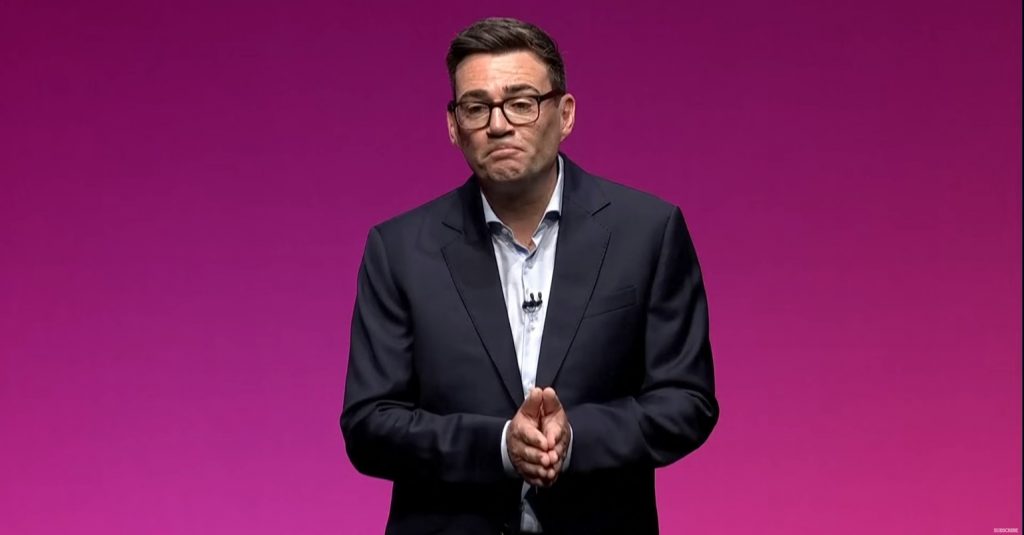
It’s been over three months since Andy Burnham became Prime Minister and the ‘Burnham bounce’ is still bouncing.
Labour’s poll ratings have jumped, Burnham’s party conference speech was hailed as one of the greatest ever, a by-election in Holborn and St Pancras has been won, and Burnham’s popularity has reached heights which Keir Starmer would gladly have given up watching his beloved Arsenal for.
Or maybe not.
What’s not to like if you’re Andy Burnham? Labour is ahead in the polls. The mood in the party is positive. Small things, like capping bus fares at £2 have reverberated and big things, like building a National Care Service, have resonated.
Burnham is personable, amiable and likeable and a natural and authentic communicator. If ever I, or you, were to find ourselves in his company, I’m certain he would be incredibly charming.
However, I can’t help but wonder if there’s a niggle at the back of this charming man’s mind, reminding him that he’s yet to be truly tested in the court of public opinion.
With the budget just a matter of days away, the cost of government borrowing straining public finances and with Burnham and his Chancellor sticking to Labour’s self-imposed fiscal rules, the scope they have to offer relief on cost of living pressures, could be at best restricted and at worst, removed.
When life doesn’t feel like it’s improving quickly enough, when change only feels like it is slowing things down, and when working harder feels like it’s providing less and less, the danger for the Prime Minister is the breathing space he’s been offering, will soon run out of air.
The next energy price cap will be announced at the end of November, and is expected, from January 2027, to see a typical annual dual fuel bill rise to over £2000 per annum. That’s around £300 more than now, further suffocating family finances which are already gasping for air.
Whilst a £45 reduction in the annual cost of electricity, which began on 1 October has been welcomed, it will be chewed up, digested and ultimately flushed away by the January energy cap increase.
A typical weekly food shop now costs around 40% more than it did just six years ago. Your water bill, your council tax and your monthly direct debits, are all far more expensive than they were back then.
£2 for a litre of diesel is now commonplace and £1.75 or more for unleaded the norm. Just twelve months ago, diesel and unleaded were around 38% and 28% cheaper than today.
Whilst fuel cost increases have been caused by surging oil prices, contributed to by Putin’s illegal war in Ukraine, and the US and Israeli bombing of Iran, it’s worth remembering that for every litre of petrol or diesel you pump, the Treasury pockets 52.95 pence in fuel duty.
In addition, VAT is then added meaning you are being taxed twice, once from fuel duty and once more from VAT paid on that fuel duty.
Temporarily removing VAT from fuel duty, until oil prices get back close to pre-war levels, would bring pump prices down by around ten pence per litre, a measure that would positively and proportionately help those on lower incomes the most.
Offering additional targeted help with the cost of energy bills, particularly as winter approaches, would also make a huge difference to those who would otherwise be left out in the cold.
One measure that would do more to help alleviate cost of living pressures than almost any other, would be to raise PAYE allowances, particularly at the lower rate.
The Tories froze PAYE allowances from tax year 2021/22, meaning someone earning just £12,571 began to pay income tax.
That Tory freeze was due to thaw in 2028 until Labour in government extended it to 2031.
Yes. You read that right. Labour. Until 2031.
If PAYE levels had risen in line with inflation, as was usually (until 2021/22) the case, someone earning £16,070 today would pay no income tax at all and be £700 better off.
Whilst to some, £700 might only be a drop in the ocean, to others it could be a lifejacket that helps them stay afloat.
Raising PAYE allowances is not just the right thing to do, it is a moral and ethical imperative.
People with low incomes would pay no income tax at all, whilst at the same time the economy would be stimulated as some of that £700 began to be spent on goods and services.
There are a number of levers the government could pull to pay for raising PAYE allowances and for providing additional targeted energy support.
Capital gains tax could be equalised with income tax, perhaps not in one step, but a marker could nonetheless be set.
A 2% tax could be levied on wealth above £10 million which would only affect a tiny minority of the population but potentially raise as much as £24 billion.
A relatively small improvement in closing the overall UK tax gap between what is owed and what is collected, could raise £billions, as would clamping down harder on tax evasion.
Scrapping the Bank of England paying interest on central bank reserves could swell the Exchequer’s coffers by up to £30 billion.
I could go on to mention the potential for billions more from windfall taxes on ‘big energy’, or from increasing the bank corporation tax surcharge, or from a number of other measures, if only word count had not defeated me.
The Chancellor, when delivering his budget, will make the ‘case for the defence.’
The public will deliver their verdict, but it will be the Prime Minister standing ‘in the dock.’
Left Foot Forward doesn't have the backing of big business or billionaires. We rely on the kind and generous support of ordinary people like you.
You can support hard-hitting journalism that holds the right to account, provides a forum for debate among progressives, and covers the stories the rest of the media ignore. Donate today.
Donate today