Ripping up green energy contracts risk Truss-style shock to economy, experts warn
“We’ve all lived through a Liz Truss era, and I don’t think this is something that we would want to go back to.”

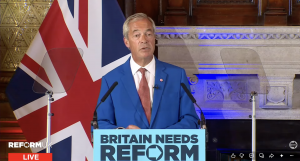
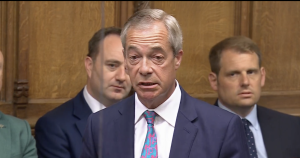
Warnings have been made that any attempt by a future Reform UK government to revoke renewable energy subsidy contracts could severely damage investor confidence, potentially triggering market turmoil reminiscent of the fallout from September 2022 mini-budget under Liz Truss.
That episode saw a sharp sell-off in government bonds and a plunge in sterling, driven in part by concerns that the government was willing to sidestep established economic governance. Critics now fear a similar loss of credibility could follow any move to dismantle existing clean energy agreements.
The latest warning comes from Tara Singh, chief executive of RenewableUK and a former energy adviser to David Cameron. Speaking ahead of this week’s local elections, Singh said such a policy would send a deeply negative signal to global investors.
“The signal this would send to the entire investor community would be really damaging,” she said. “We’ve all lived through a Liz Truss era, and I don’t think this is something that we would want to go back to.”
Reform UK has pledged to scrap the UK’s net zero strategy, with party figures citing widely varying estimates of potential savings, ranging from £45 billion to £225 billion.
Last summer, deputy leader Richard Tice wrote to major renewable developers warning that a Reform government would cancel all existing Contracts for Difference (CfD) agreements.
These contracts are central to the UK’s clean energy model. By guaranteeing a fixed price for electricity, they provide the long-term revenue certainty required to unlock billions in upfront investment for offshore wind, solar, and other large-scale infrastructure. Removing them would undermine the financial foundations of projects already built or in development.
Singh’s concerns echo earlier analysis from the Institute for Government, which argued in May 2025 that Reform had misrepresented the potential savings from scrapping net zero policies. Much of the projected investment comes from the private sector, meaning that cancelling these frameworks would not free up public funds so much as deter essential private capital.
Nods have also been made to what happened when Spain attempted such a move in the aftermath of the 2008 financial crisis. The then-Spanish government attempted to cut renewable energy subsidies, arguing that the original deals were too costly. The result was more than 50 international legal cases brought under the Energy Charter Treaty and similar agreements, alongside lasting reputational damage that increased the cost of future infrastructure investment.
“Refusing to honour the industry’s watertight private law subsidy contracts would make it possible for developers to sue a Reform government to get their money back,” said Singh. “It wouldn’t save any money.”
Beyond the immediate legal and financial risks, the broader concern is reputational. Reneging on long-term contracts would signal that the UK is no longer a stable or predictable environment for investment, not just in energy, but across all major infrastructure sectors.
Left Foot Forward doesn't have the backing of big business or billionaires. We rely on the kind and generous support of ordinary people like you.
You can support hard-hitting journalism that holds the right to account, provides a forum for debate among progressives, and covers the stories the rest of the media ignore. Donate today.
Donate today