Gambling site linked to Farage ally George Cottrell ‘used fake document to get licence’
Tether.Bet, which is linked to Cottrell, got its licence using a document which appears to have been faked
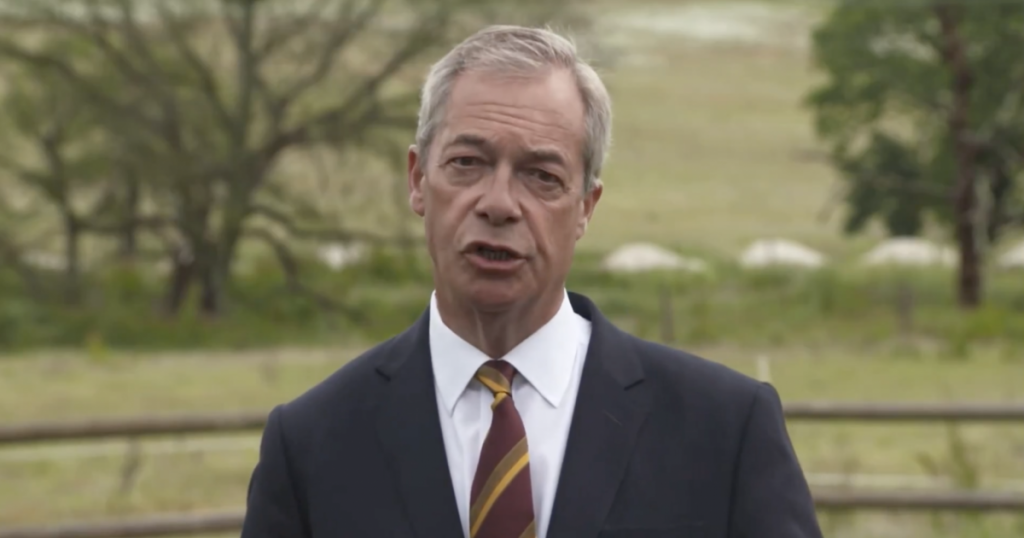
Tether.Bet, a gambling website linked to George Cottrell, Nigel Farage’s right-hand man, obtained its licence using a document that appears to have been forged.
Cottrell, whose nickname is “Posh George”, has denied holding an executive role at Montenegro-based gambling company, saying he was “merely a customer” of the firm.
Documents obtained by Democracy for Sale journalists and shared with The Times raise fresh questions about how the company secured a gambling licence in Curaçao, a Caribbean island where many online gambling businesses are registered.
While a Curaçao licence would not have permitted UK gambling, but would allow users logging in via VPNs remotely to appear as though they were gambling in Curaçao.
A previous Sunday Times investigation found that Tether.Bet may have broken the law by accepting payments for bets through UK companies despite not holding a UK gambling licence.
The documents obtained by Democracy for Sale show that Tether.Bet’s owner, Malaysian accountant Hon Kong Yong, submitted paperwork relating to the sale of a £3.75 million property in Kensington, London, as evidence that he had enough money to fund the business.
However, Land Registry records show that while a sale of the property took place in May 2020, Yong, a friend of Cottrell’s, was not the seller.
The sellers, a retired French couple, told The Times they had never met or heard of Yong. A Swiss banker named as the buyer also told Democracy for Sale that they did not know who Yong was.
According to Democracy for Sale, documents from the registry suggest that the property transaction played a key role in securing the licence for Tether.Bet.
In his submission to the Curaçaon licensing authorities, Yong said Tether.Bet would be funded by shareholder or third-party loans and that he would personally contribute $350,000 to the project.
Internal documents show that officials had noted Yong had failed to provide evidence of the loans he said would fund the business. However, they concluded that he had sufficient wealth to finance the operation.
In his April 2024 “source of funds” submission to Curaçaon licensing authorities, Yong claimed his salary was £40,000 per year, but that he had a net worth of £8 million.
Yong said his wealth was derived from “diligent” saving, investments in cryptocurrencies, his accountancy business, salary and pension income, as well as property sales.
In 2016, Yong was declared bankrupt.
Cottrell and Yong are closely associated, with Yong listed as the owner of Salon Privé, a private members club in Tivat, Montenegro, which Cottrell goes to.
Cottrell’s lawyers told Democracy for Sale that Cottrell “has no interest in Tether.bet” and that he is not “a shareholder” or “a director, employee or consultant”.
“His relationship with Tether.bet has been limited to that of a customer, in addition to which he knows and is friends with its owner,” his lawyers said.
Olivia Barber is a reporter at Left Foot Forward
Left Foot Forward doesn't have the backing of big business or billionaires. We rely on the kind and generous support of ordinary people like you.
You can support hard-hitting journalism that holds the right to account, provides a forum for debate among progressives, and covers the stories the rest of the media ignore. Donate today.
Donate today