Creative Britain cannot afford more Brexit damage: Campaigners urge action on UK-EU cultural cooperation
"With the right agreements and reforms, the sector can not only recover lost ground but continue to grow as one of the UK's most dynamic and globally visible industries."
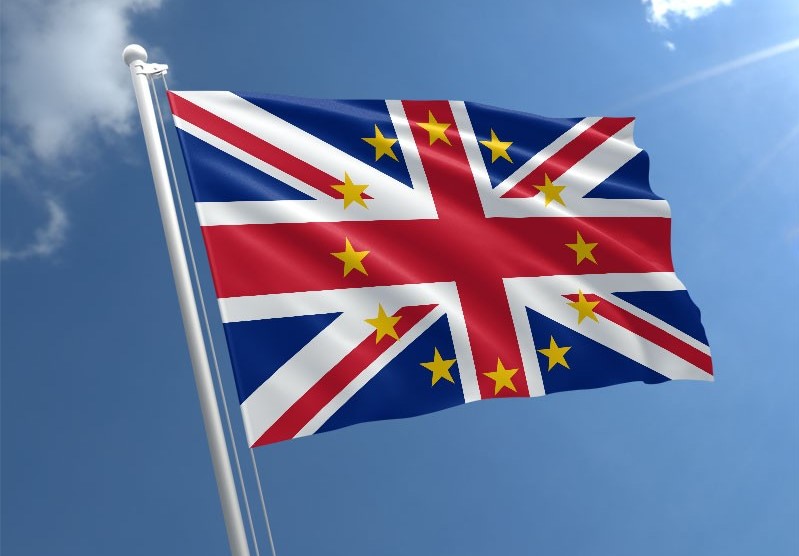
As the tenth anniversary of the Brexit referendum approaches, campaign group European Movement UK is calling on the public to press their MPs to support closer cultural cooperation between the UK and the European Union, warning that Britain’s creative industries continue to pay a heavy price for post-Brexit barriers.
The organisation has launched a new report, Creating Culture Together, which sets out a series of practical measures designed to rebuild ties between the UK and EU creative sectors and address what it describes as a growing crisis facing artists, musicians and cultural professionals.
The report argues that Brexit has created significant obstacles for those working across borders, particularly in music and the performing arts, where touring, collaboration and cultural exchange have become more complex and costly.
Research conducted by European Movement UK in 2024 found that the average UK musician has lost £11,545 in income since the UK left the EU. Four in five musicians reported losing work opportunities as a direct result of Brexit-related barriers.
These findings mirror earlier research by the Independent Society of Musicians, which found that almost half of musicians and music industry workers had experienced a decline in EU-based work since Brexit. More than a quarter reported having no work opportunities in the EU at all.
“By writing to your MP today, you can help show public support for a more practical relationship with Europe, one that works better for artists, communities and creative businesses across the UK,” European Movement UK said as it launched the campaign.
The creative industries remain one of Britain’s most successful economic sectors, contributing billions to the economy and supporting hundreds of thousands of jobs. Yet industry leaders warn that unnecessary barriers continue to undermine growth and international competitiveness.
In the foreword to the report, Tom Kiehl, chief executive of UK Music, highlights the scale of the sector and the importance of restoring easier access to European markets. UK Music represents an industry that, in 2024, contributed a record £8 billion to the UK economy and 220,000 jobs. Kiehl argues that reducing barriers to cultural exchange and trade with the EU remains one of the industry’s most pressing priorities.
The report proposes six recommendations it says would improve UK-EU creative cooperation while remaining within the government’s existing negotiating framework.
Among the proposals is the creation of a short-term mobility and work agreement for touring performers and cultural professionals, making it easier for artists to travel and work across Europe. The report also calls for a relaxation of cabotage rules, which currently restrict the movement of vehicles transporting touring equipment between EU member states.
European Movement UK is also urging the government to seek participation in Creative Europe, the EU’s flagship cultural programme, and its successor, AgoraEU.
Additional recommendations include reducing the cost of ATA carnets, the customs documents required for transporting instruments and equipment across borders; designating St Pancras International as a port with CITES accreditation to facilitate the movement of instruments containing rare materials; and ensuring the government consistently meets its target of issuing A1 certificates within 15 days, exempting UK cultural professionals from EU social security contributions
The consequences of failing to take action, the report warns, would be damaging.
“Without action, the UK risks long-term damage to jobs, innovation, exports and international influence,” the report states. “With the right agreements and reforms, the sector can not only recover lost ground but continue to grow as one of the UK’s most dynamic and globally visible industries.”
Left Foot Forward doesn't have the backing of big business or billionaires. We rely on the kind and generous support of ordinary people like you.
You can support hard-hitting journalism that holds the right to account, provides a forum for debate among progressives, and covers the stories the rest of the media ignore. Donate today.
Donate today