



Improving material living standards isn’t enough. Selling Labour’s economic agenda is politically imperative too.
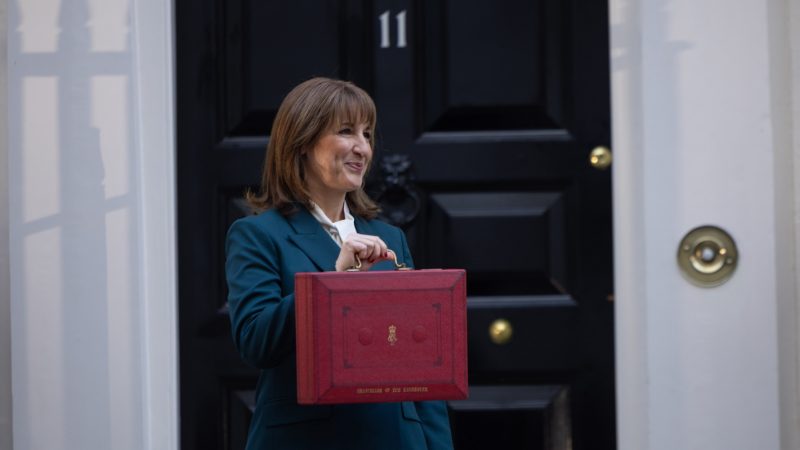
At this week’s spring statement, the Chancellor unveiled a string of good news. The OBR’s forecasts projected falling inflation, productivity growth and improved public finances.
For households, it heralded stronger wages and higher disposable incomes: over £1,000 better off every year after inflation. This contrasts with the last government – which presided over the first Parliament on record which saw living standards fall.
The government downplayed the statement’s significance and events in Iran inevitably overshadowed it. But it remains an important moment to reflect on the government’s economic strategy and the road ahead.
The Chancellor used these forecasts to defend her strategy, explaining how social justice, national security, and fiscal responsibility contribute to a goal of making working people better off up and down the country. Her tools are unashamedly social democratic: stability in public finances, investment in infrastructure, and reforming Britain with an active, strategic state using its power to purposefully reshape the economy.
Substantial policy backs this strategy. The government has set out an industrial strategy, to increase investment and strengthen UK manufacturing. They have shifted the balance of ownership in the economy, starting with rail nationalisation and leasehold reform. And they have increased the minimum wage, strengthened renters’ and workers’ rights, and rolled out free childcare. Much of this is yet to be felt – ink is still drying on the legislation – but it all exemplifies a reforming economic strategy, and a government actively intervening in the economy.
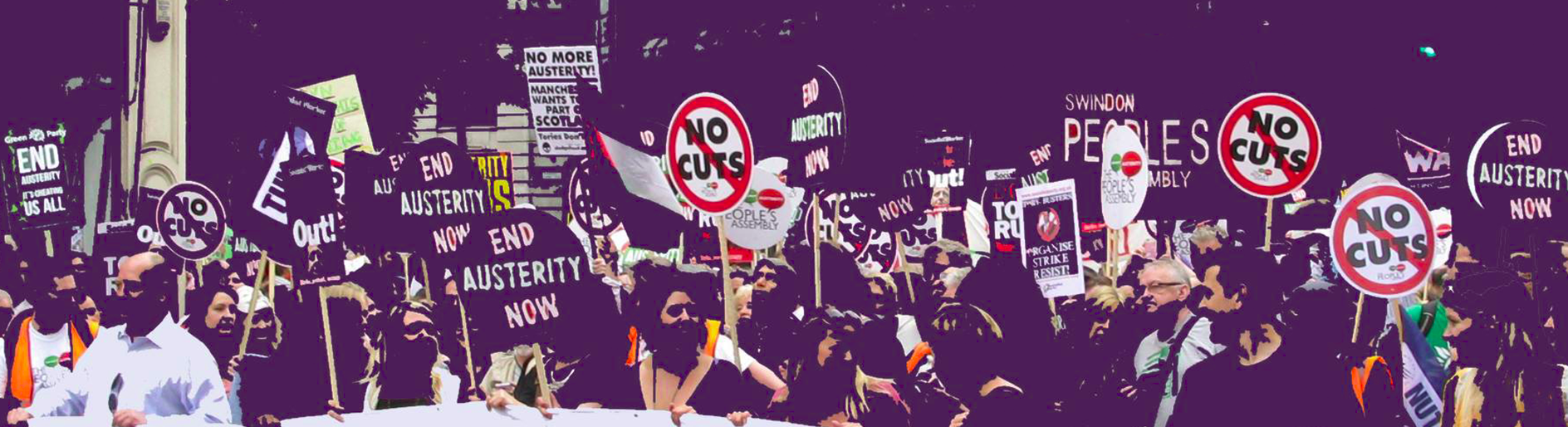
There is continuity too – the Chancellor’s spring statement speech echoed her pre-election pitch: securonomics. That means using a more active, intervening state’s power to build security, stability, and resilience for families, places, and the economy alongside securing economic growth. It is a rejection of laissez-faire, free-market, and austerity approaches that dominated recent economic thinking.
But this mission of growth and resilience remains challenging to deliver and has proved hard to communicate to a fracturing electorate.
The government inherited a fiscal minefield of unfunded tax cuts and public service pressures. They made early mistakes, and unprecedented global events have both frustrated their plans, and reinforced the need for them. War in Iran, for example, could push up energy costs and derail progress on inflation, intensifying the importance of making Britain a clean energy superpower – one of the government’s five missions. Strategies must be resilient to such events.
For any government, an economic strategy must also be political. And, last week’s drubbing in the Gorton and Denton by-election offers painful, but important lessons.
Many feel the government is too slow in fixing the cost-of-living crisis. Almost 60 per cent of the public think it will never end. In the by-election, this disillusionment pushed voters away from Labour to the left and the right. The government must respond fast to rebuild faith. At the next election, when voters ask, “Are me and my family better off?” the Chancellor needs them to answer “yes” – as she recognised in her speech.
But improving material living standards isn’t enough. Selling Labour’s economic agenda is politically imperative too.
From Gorton and Denton to Caerphilly and Runcorn, new Green and new Reform voters haven’t seen a positive reason to vote Labour – as the Party itself has acknowledged. This is particularly frustrating, because a great deal of the government’s policies provide those reasons, and are very popular with the public. But these policies have far lower public awareness than the government’s unpopular choices.
The government must now relentlessly and proudly knit their popular policies into a bold story of where Britain has been, where it is now, and where it will go under a Labour government. Fundamentally, it must be a story of the fair and prosperous British economy that the government is building.
The spring statement was an opportunity to reaffirm both the strategy and the story. The Chancellor showed that the story is increasingly finding its voice. To really cut through, the government will need to repeat this story every chance they get. Building on the spring statement, as the first staging post in this journey, they must complete the work of rebuilding both Britain’s economy and electoral trust.
Marcus Johns is a Senior Researcher at the Fabian Society
Left Foot Forward doesn't have the backing of big business or billionaires. We rely on the kind and generous support of ordinary people like you.
You can support hard-hitting journalism that holds the right to account, provides a forum for debate among progressives, and covers the stories the rest of the media ignore. Donate today.