




“As road users and taxpayers look for tangible improvements in return for public funding, the figures from National Highways are certain to prompt reflection about where the balance lies between reward and responsibility.”
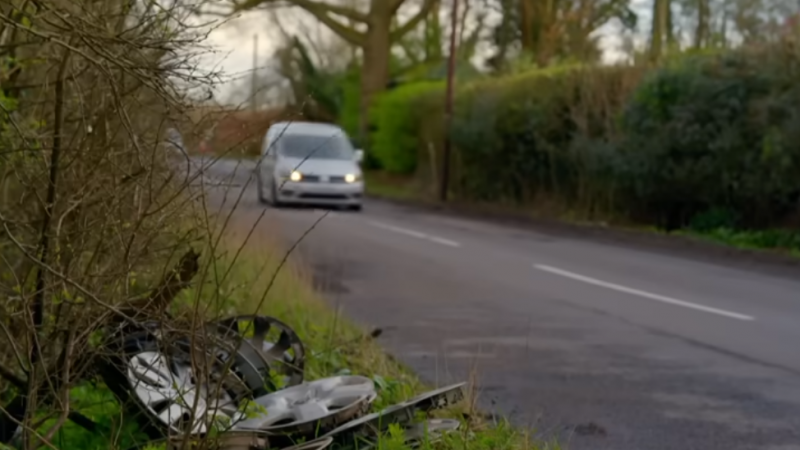
Newly released accounts from National Highways show a sharp contrast in pay rises between the company’s chief executive and its frontline workforce, fuelling criticism as the UK’s road network continues to deteriorate.
National Highways, the government-owned body responsible for operating, maintaining, and improving England’s motorways and major A roads, reported that its chief executive, Nick Harris, received a total remuneration package of £426,304 in 2024–25, an 8 percent increase on the previous year. The package includes performance-related bonuses.
By contrast, average worker pay rose by just 5 percent, increasing from £37,679 to £39,477.
The disparity has sparked frustration among staff and trade unions, particularly as National Highways is publicly funded and the state of the nation’s roads, especially in terms of pothole damage, continue to draw widespread complaints.
According to the RAC, Britain’s ‘pothole plague’ worsened in 2024, with patrols responding to thousands of breakdowns caused by road defects. The UK is estimated to have over one million potholes, making them one of the leading causes of vehicle damage. The government has allocated £1.6 billion to tackle the problem up to the end of 2026, but critics say progress is too slow.
Adding to concerns, National Highways recorded an average of 11.7 sick days per employee last year, amounting to nearly 80,000 lost workdays among its 6,800-strong workforce. The Workers Union cited the high absence rate as a sign of deeper issues around stress, fatigue, and working conditions, particularly for those in road maintenance and frontline roles.
In a statement, the union said: “We support all efforts to ensure fairness, transparency and wellbeing in public workplaces. While we recognise the complexities of leading national agencies, it’s vital that leadership remains attuned to the lived experiences of workers delivering essential services.
“As road users and taxpayers look for tangible improvements in return for public funding, the figures from National Highways are certain to prompt reflection about where the balance lies between reward and responsibility.”
Left Foot Forward doesn't have the backing of big business or billionaires. We rely on the kind and generous support of ordinary people like you.
You can support hard-hitting journalism that holds the right to account, provides a forum for debate among progressives, and covers the stories the rest of the media ignore. Donate today.