


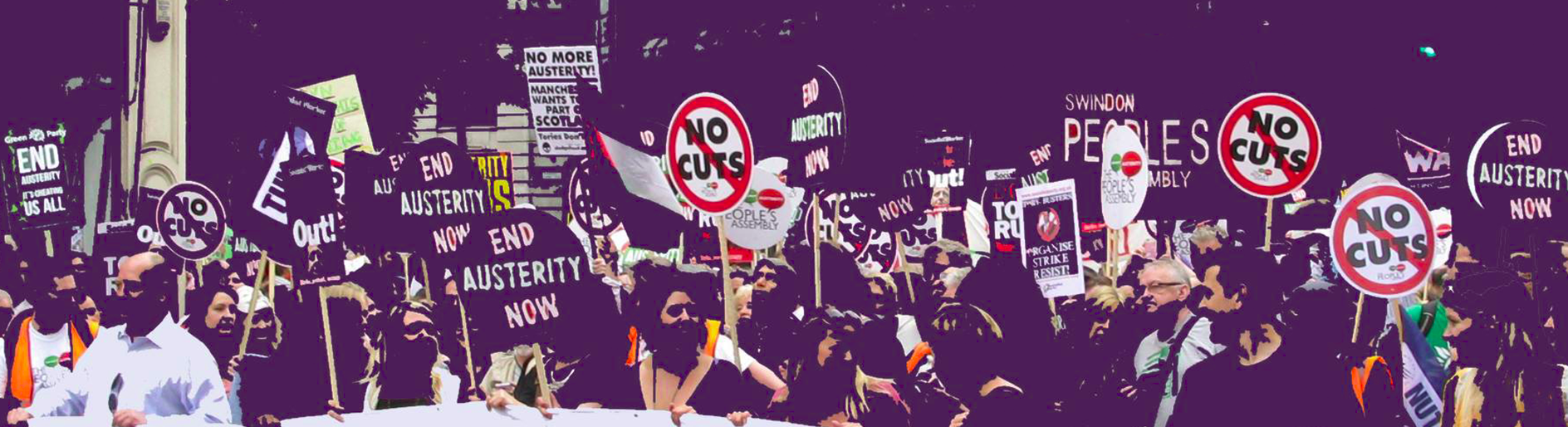

Cameron’s cashless industrial policy
David Cameron appeared to use his CBI speech to launch a state-financed industrial policy. But the money is not there to back it up.
David Cameron appeared to use his CBI speech to launch a state-financed industrial policy. But the money is not there to back it up.

Mr Cruddas called for a new politics of hope over despair and said Labour needs a new political narrative that should mainstream a credible economic alternative against the right’s intellectual powerhouse of ideas. The party should espouse an active interventionist industrial policy and a strategy for deficit-reduction through growth and full employment.

David Cameron and Ed Miliband make speeches today on growth. New analysis shows that last week’s Spending Review will remove around £60 billion from the economy.

Energy secretary Chris Huhne has been told to “stay true to supporters” over nuclear power as plans for new stations come closer, reports Katy Mughan.

Today the Institute for Fiscal Studies (IFS) said that the Government’s plan for fiscal consolidation is regressive, and will hit the poorest disproportionately hard, once cuts to welfare are fully taken into account.

The spending review has further weakened work incentives and the financial support that working families really need, reports ippr’s Kayte Lawton.

There were some snippets of good news in the Chancellor’s Spending Review statement yesterday, reports ippr’s Tony Dolphin.

The governement suggests the distributional impact of the spending cuts is less regressive than if these important areas were also included; but are they right?

Green issues just aren’t as central to the [Tories’] political offer as they once were; green issues are not needed to ‘de-toxify’, because Lib Dems do this.

The Chancellor today announced that Health spending would rise in real terms. A closer look at the numbers suggest that the Health budget will fall against the baseline set out in the June Budget.