The big lesson from the local elections? We need proportional representation
The British public has moved on from the old way of doing politics. Now it’s time for our voting system to catch up.
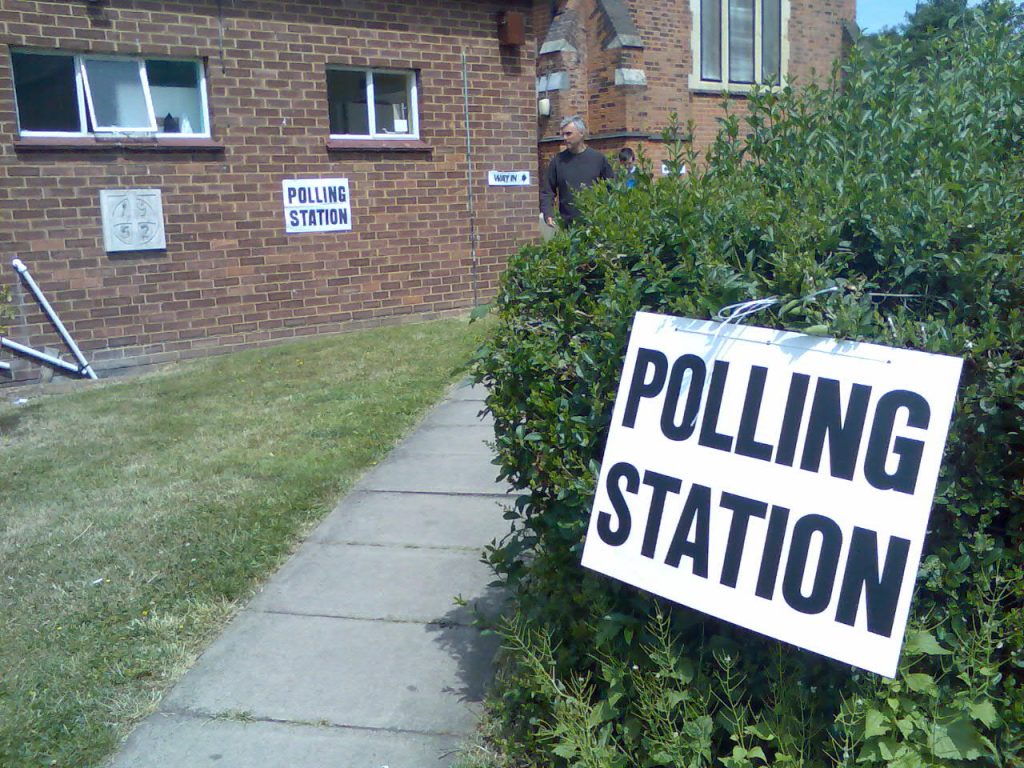
The local elections have been seismic in more ways than one.
We’ve seen rock-solid Labour London boroughs flip Green. Reform has stormed into former Labour heartlands. Paper candidates won, while sitting council leaders lost their own seats. The Conservatives may be celebrating a symbolic victory in Westminster, but their overall vote share continues to decline.
Taken together, these results paint a picture of an electorate in flux. People are increasingly willing to abandon traditional party loyalties and put their trust in someone new. Despite the prevalence of negative campaigning and often questionable bar charts, data from the London School of Economics suggests tactical voting played a far smaller role than many expected. These elections further confirmed what was already evident: the era of two-party politics is over.
The immediate political fallout is being felt most acutely by the Prime Minister, who now faces the fight of his life to hold onto power. But while parties scramble to interpret what these results mean for their own futures, something much bigger should be under scrutiny: our voting system.
A closer look at the results shows the chaos that ensues when there are five or more major parties under a system designed to accommodate just two. In Kensington and Chelsea, the Conservatives won over two-thirds of the council seats on a 46% vote share. In Wigan, 46% of the vote gave Reform 96% of the seats that were up for election, whereas in Havering they won a comfortable majority on just 36%. In Richmond, the Liberal Democrats took every single one of the council’s 54 seats on 51% of the vote. Meanwhile, in Milton Keynes, the Lib Dems became the biggest party on the council, despite coming fourth in vote share.
The mandate that individual councillors have also keeps getting weaker. Back in 2021, 65% of councillors were elected with the backing of more than half of their constituents. Now, the vast majority are winning on well under 50% of the vote, and often under 30%. In Birmingham’s Tyseley and Hay Mills, a councillor won on just 20.5% of the vote – leaving nearly 8 in 10 people in the ward without the representation they asked for. Regardless of which party we were rooting for, it’s clear that this is not sustainable.
The electorate is changing faster than our political institutions are willing to acknowledge. It’s easy for politicians to put the blame on the voters for choosing irresponsibly and letting this or that party in. But the reality is, people are tired of being ignored. They are tired of being treated as predictable voting blocs. And they are tired of being fed the same empty promises every election cycle.
They want genuine representation. They want to vote with their hearts. They want a system that reflects the complexity of their views, rather than forcing them into binary choices. First Past the Post remains fundamentally incapable of accommodating that shift.
This was already evident at the last general election. We shouldn’t forget that Labour’s much-celebrated historic landslide was won on just 34% of the votes cast. Nearly six in ten people ended up with an MP they didn’t vote for, while four in ten didn’t feel motivated to vote at all. Unless we change how Parliament is elected, the next general election will almost certainly deliver results that are even less representative, resembling numbers from a slot machine rather than a fair reflection of public opinion. With the many crises our world is facing, the consequences could be disastrous.
Defenders of First Past the Post often argue that, for all its faults, at least it delivers strong, stable and effective governments. Anyone who has paid the slightest bit of attention to UK politics over the past decade can see how far from the truth that is. If Keir Starmer goes, his successor will be our fifth Prime Minister in seven years. They will then face the near-impossible task of leading a majority government that has never had anything close to majority public support. It’s time to admit it: one-third of the vote, on a historically low turnout, is not a foundation on which to deliver for the country.
Unless the system changes, these local elections will not be remembered as a one-off political shock, but as the moment the cracks became impossible to ignore. Labour now faces a choice: cling to an outdated model that no longer reflects how people vote, or be bold enough to lead the democratic reform people are crying out for. That means embracing a more proportional, constituency-based electoral system – and recognising that Britain’s biggest challenges will not be solved through tribalism, but through consensus.
The British public has moved on from the old way of doing politics. Now it’s time for our voting system to catch up. If you agree, let the government know by signing our open letter here.
Emma Harrison is CEO of Make Votes Matter
Image credit: Oatsy40 – Creative Commons
Left Foot Forward doesn't have the backing of big business or billionaires. We rely on the kind and generous support of ordinary people like you.
You can support hard-hitting journalism that holds the right to account, provides a forum for debate among progressives, and covers the stories the rest of the media ignore. Donate today.
Donate today