Polls suggest pro-independence majority ahead of May 7 Scottish election
The polls suggest that while no single party may secure a majority, the balance of the next Scottish Parliament could hinge on the combined strength of pro-independence parties.
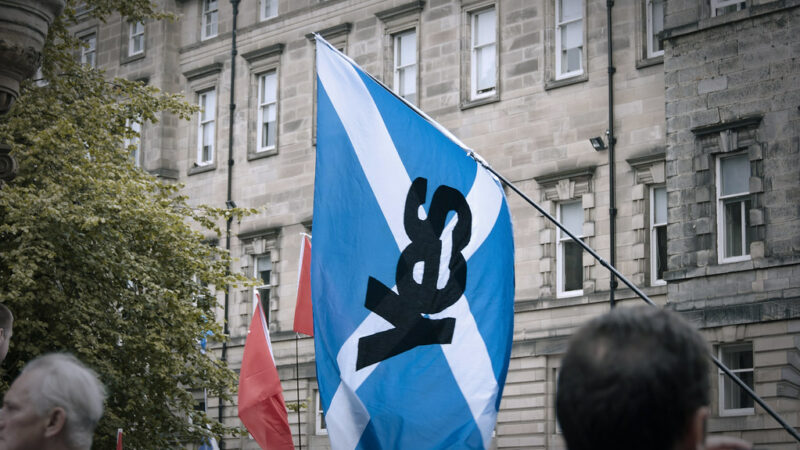
With less than two weeks to go until the 2026 Scottish Parliament election, when voters will elect 129 MSPs – 73 constituency and 56 regional – a growing body of polling is shaping expectations for both the electoral outcome and Scotland’s constitutional future.
Two polls released this week suggest that a majority of Scots could now favour independence. A Find Out Now survey of more than 1,000 respondents, commissioned by James Kelly of the pro-independence blog Scot Goes Pop, found that 53 percent would vote ‘Yes’ in a referendum when undecided voters are excluded. Including ‘don’t knows,’ support stands at 50 percent for independence and 44 percent for remaining in the UK.
The poll also indicates that the SNP is on course to dominate the constituency vote with 35 percent, well ahead of Reform UK on 16 percent. Scottish Labour follows on 14 percent, with the Scottish Greens at 12 percent, the Scottish Liberal Democrats on 10 percent, and the Scottish Conservatives on 9 percent.
On the regional list vote, the SNP is projected to win 27 percent, with the Greens in second place on 20 percent. Reform follows on 17 percent, ahead of Labour on 12 percent, the Liberal Democrats, 11 percent, and the Conservatives, 10 percent.
These figures point to a potentially strong combined showing for pro-independence parties.
According to pollster James Kelly, nine out of fifteen polls conducted so far this year have found a majority in favour of independence.
The data also reveals a notable generational divide, that support for independence is strongest among people in their 30s, 68 percent ‘Yes’ to 27 percent ‘No,’ while opposition is highest among those aged 65 to 74, 69 percent ‘No’ to 26 percent ‘Yes.’
The polling suggests the Greens could achieve a record result, raising the possibility of a substantial pro-independence majority at Holyrood. However, the SNP alone is projected to fall short of an outright majority, potentially complicating the path to a second independence referendum.
A separate poll by Survation for Ballot Box Scotland places the SNP on 35 percent in constituency voting and 29 percent on the regional list, which would translate into around 57 seats. The Greens are projected to win a record 11 seats based on 11 percent of the list vote.
In that poll, Reform UK and Labour are tied on 20 percent in the constituency vote, followed by the Conservatives on 13 percent and Liberal Democrats on 10 percent. On the regional list, Reform leads on 19 percent, ahead of Labour, 17 percent, the Conservatives, 13 percent, and the Liberal Democrats, 8 percent.
The survey also asked voters which party they would least like to see in the next Scottish Government. Reform UK topped that measure at 34 percent, followed by the SNP on 17 percent and Labour on 14 percent.
The polls suggest that while no single party may secure a majority, the balance of the next Scottish Parliament could hinge on the combined strength of pro-independence parties.
Left Foot Forward doesn't have the backing of big business or billionaires. We rely on the kind and generous support of ordinary people like you.
You can support hard-hitting journalism that holds the right to account, provides a forum for debate among progressives, and covers the stories the rest of the media ignore. Donate today.
Donate today