


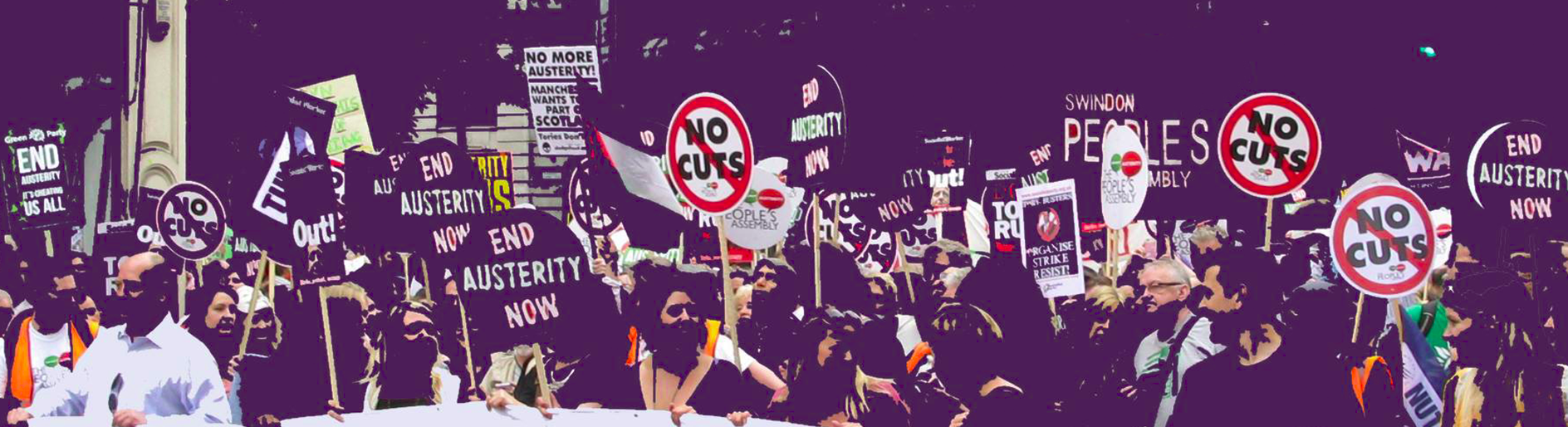

The performing arts union has said the government has 'taken a welcome and marked change of approach'
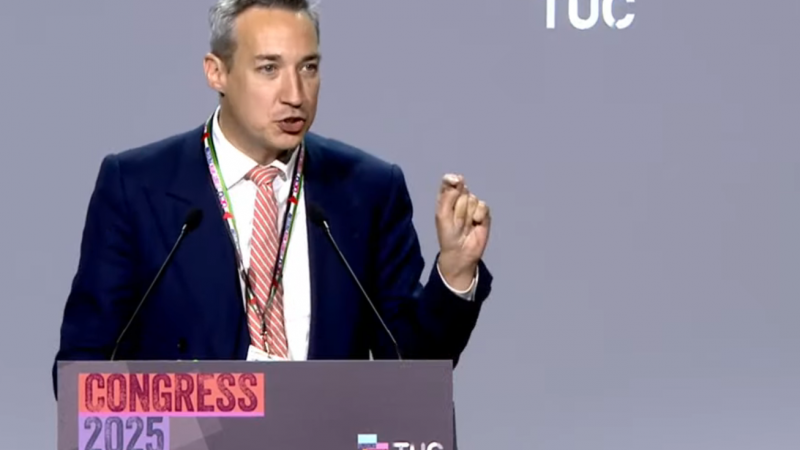
Equity, the performing arts and entertainment trade union, has welcomed the announcement that the Government is to roll back on the ‘opt-out’ exception to copyright for artificial intelligence training. An ‘opt-out’ exception was the government’s preferred option this time last year. This would have allowed developers to scrape creators’ work online to train AI models without active consent from or pay for the creators.
Equity opposed this position, describing it as ‘legalising theft’ of creators’ work.
The union has therefore welcomed a change in direction from the government. In a report published jointly by the Department for Science, Innovation and Technology, Department for Culture, Media and Sport, and the Intellectual Property Office today, the government has said it “will not introduce reforms to copyright law until we are confident that they will meet our objectives for the economy and UK citizens.”
The report continues: “In view of the concerns raised by stakeholders, and the continued uncertainty about the likely effects of an exception with opt-out, a broad copyright exception with opt-out is no longer the government’s preferred way forward.”
The report also mentions personality rights – something raised by Equity – saying: “We propose to explore options that address these risks, while promoting growth and innovation. This will include considering whether a new personality right may be appropriate.”
Commenting on the report, Equity’s General Secretary, Paul W Fleming, said: “The government has taken a welcome and marked change of approach, which has included engaging with Equity at the highest level in detail, and in advance of this announcement.
“The pause announced today is recognition that selling out the UK’s creative industries to benefit US tech companies would’ve been an act of national self-sabotage. The UK should be the best place on the planet to create, supporting the government’s growth agenda through a strong copyright regime and respect for creative workers.
“We welcome the government’s intention to introduce measures on digital replicas and we look forward to working with them to develop new protections against unauthorised and unpaid use of a performer’s voice and likeness, the bedrock of our members’ careers.
“What creators need after this pause is a firm commitment to copyright and neighbouring rights and support for collective licensing for AI uses, including via existing trade union collective bargaining mechanisms. We look forward to working with the Labour government on how best to secure these reasonable aspirations.”
Equity has argued that licensing frameworks for AI training are entirely capable of facilitating fair and remunerated use of creators’ work, and are already emerging in various sectors. The union says that collective bargaining mechanisms, including Equity’s which cover 90% of UK film and TV production, already exist for this purpose.
Equity says that rather than pave the way for a transfer of wealth from UK creative industries to US tech companies, today’s statement gives needed reassurance to UK creators that AI developers must pay to use their work, just as in any other context.
Recent analysis of three studies commissioned by the tech industry shows that none of the studies demonstrates that a copyright exception for AI would deliver a net benefit to the UK economy, even while the studies mostly failed to account for the impact on creative industries.
Chris Jarvis is head of strategy and development at Left Foot Forward
Left Foot Forward doesn't have the backing of big business or billionaires. We rely on the kind and generous support of ordinary people like you.
You can support hard-hitting journalism that holds the right to account, provides a forum for debate among progressives, and covers the stories the rest of the media ignore. Donate today.