



The criticism wasn’t confined to social media pile-ons.
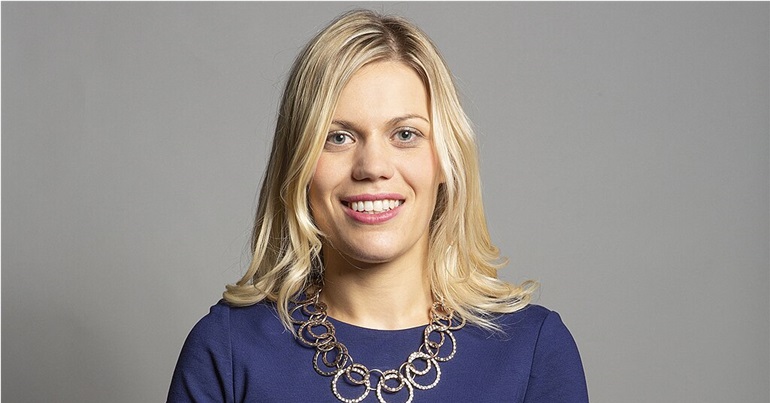
Miriam Cates wants British conservatives to stop holding Viktor Orbán at arm’s length. In a recent Conservative Home column, the former Tory MP and GB News presenter asked: “Why won’t British conservatives engage with Orbán?”
Cates argues that conservatives are “still frightened” of being associated with Orbán and his “patriotic Fidesz party,” recalling how contact once triggered party discipline. She cites the 2020 reprimand of then-MP Daniel Kawczynski for attending a conference at which Orbán spoke and says she herself was “roundly criticised” within the Conservative Party for raising concerns about falling birth rates, an issue closely linked to Orbán and the Hungarian government.
But, Cates insists, the world has moved on. With immigration control, gender ideology, national sovereignty, birth rates and opposition to EU federalism now central concerns of the British right, she claims Conservatives and Reform figures increasingly “find themselves aligned with Orbán’s Hungary.” Rather than keeping their distance, she argues, British conservatives should “lean in” to “our Fidesz cousins,” and a country she praises for reducing illegal immigration to zero, banning gender theory in schools and “bravely” standing up to Brussels.
What Cates largely sidesteps is why that wariness exists in the first place. Unsurprisingly, her column prompted a backlash online.
“He banned pride parade. How does your co-host feel about hatred towards gays? He controls the press – GB news would be ok but most Uk media would be silenced. He believes in the great replacement theory. Isn’t that enough?” one user posted.
Another wrote: “He’s a Putin puppet and if Nato and the EU could kick him out they would but their own rules say they can’t.”
“…Orban is an authoritarian kleptocrat, and friend of dictators…” read a third comment.
And the criticism wasn’t confined to social media pile-ons.
Even within Conservative Home, Cates’s enthusiasm for Orbán is challenged. In a separate article, Alexander Bowen, a trainee economist based in Belgium, describes the Hungarian prime minister as a political shapeshifter who has “at one point or another, espoused every political ideology.” Orbán, Bowen argues, has been a communist, a trade unionist, a neoliberal, a neoconservative and now a national conservative, depending on what best served his interests at the time. The only constant, he suggests, is self-enrichment and the consolidation of power.
Bowen also takes aim at the right’s fixation with Hungary, citing Cates by name. Of her recent output, he notes that the majority of her posts focus on Orbán or Hungary, yet he argues there is “no evidence base” to justify treating the country as a conservative success story.
And if we look at Orbán’s record since returning to office in 2010, treating Hungary as a success story is debatable, to say the least. Under his leadership, Hungary has seen a dismantling of democratic checks and balances. Judicial independence has been eroded, opposition voices marginalised and civil society weakened. Press freedom, a cornerstone of any functioning democracy, has been systematically undermined through the concentration of media ownership in the hands of Orbán allies and the financial suffocation of critical outlets.
As one social media user summed up: “British conservatives are right to be wary of Orbán because his record shows what happens when a leader centralises power and weakens democratic checks.”
Image credit: UK Parliament – Creative Commons
Left Foot Forward doesn't have the backing of big business or billionaires. We rely on the kind and generous support of ordinary people like you.
You can support hard-hitting journalism that holds the right to account, provides a forum for debate among progressives, and covers the stories the rest of the media ignore. Donate today.