
Private pensions industry is an utter failure and needs reform

Amazingly, the private pensions paid in that same year were very slightly less – at about £35 billion. In other words, not one penny of private pensions paid in that year was at cost to the private pension sector: all were paid at cost to the government.

Economic update – November 2010

The UK economy grew by 0.8 per cent in the third quarter of 2010, twice as fast as expected by City economists. As in the second quarter, growth was boosted by a large increase in the output of the construction sector, but manufacturing output also increased strongly and there were solid increases in output across the service sector. Growth in the last three quarters has averaged an annual rate of 3.2 per cent.

Osborne’s banking levy falls short of IMF benchmark

George Osborne’s planned financial services levy is a lamentable failure according to international benchmarks. The IMF has called for any banking tax in Britain to be set at £6 billion. Last week, Left Foot Forward highlighted the socially regressive nature of the £2.5bn tax which will mean banks contributing 50 per cent less than families (child benefit and tax credit cuts) to the government’s fiscal consolidation programme.

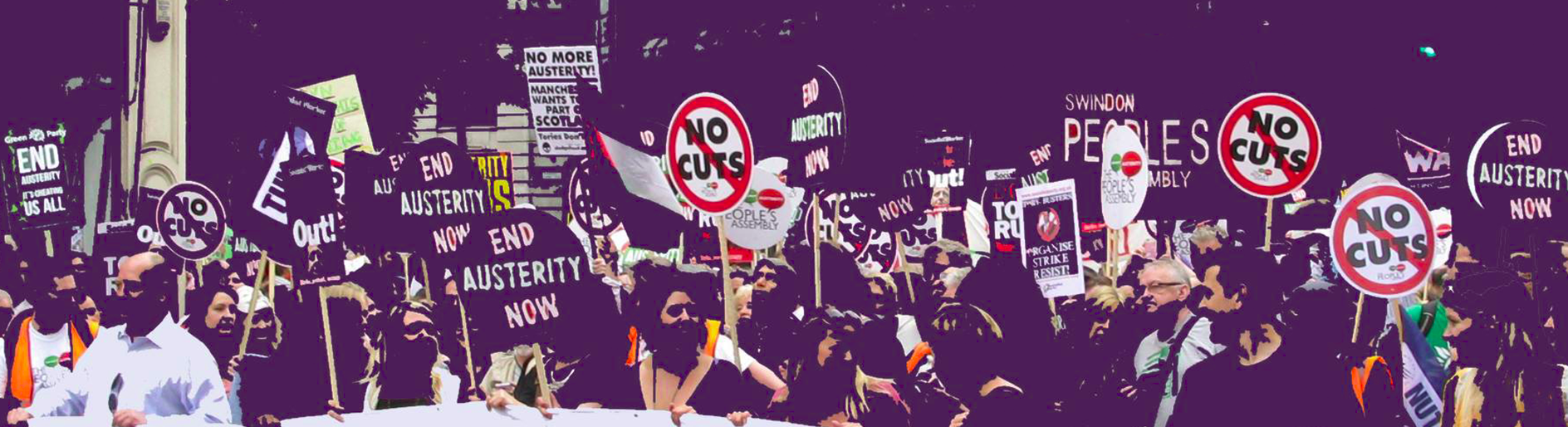
Little evidence fiscal austerity triggers growth

Economics writer Paul Mason has pointed to a powerful implied critique of the Spending Review in an IMF document published this month. Speaking as guest lecturer at a seminar for the New Political Economy Network on Monday night, Mason called for a “forensic” analysis of what he described as “the large theoretical variability” of the outcome of George Osborne’s fiscal tightening proposals.

More evidence housing market has lost its momentum

Figures released today by the Bank of England suggest households’ demand for borrowing remained weak in September. Net lending secured on dwellings (i.e. mortgage borrowing) increased by only £0.1 billion in the month and was just 0.8 per cent higher than in September 2009.

Freezing of science budget could hit UK’s global reputation

The freezing of the £4.6 billion budget for scientific research could mean a cut of 8.9 per cent in real terms – though it could have been a lot worse, “it’s not as bad as we were expecting” being the common refrain among scientists at a Young Fabians policy network event this week on the impact of the Comprehensive Spending Review in on research and development and science.

Economic growth beats expectations

The UK economy grew far more rapidly than expected in the third quarter. Real GDP (the total output of the economy) increased by 0.8 per cent and was 2.9 per cent higher than in the third quarter of 2009, according to figures released today by the Office for National Statistics. Economists had expected an increase of just 0.4 per cent.