How we can learn to tackle the renting crisis from Manchester
Marcus Johns is a senior researcher at the Fabian Society. There is much talk of ‘Manchesterism’ at the moment. I […]
Marcus Johns is a senior researcher at the Fabian Society.
There is much talk of ‘Manchesterism’ at the moment. I have witnessed it on my own doorstep – the cranes in the sky, the growing population, the revival of the city centre, and a palpable sense of growth and optimism. But even here, with a strong record of housebuilding, the housing crisis is stretching renters beyond what they can afford.
The city itself has prioritised good growth, growing the economy and furthering inclusion side by side. This Manchesterism centres on a muscular local state intervening to build a fairer economy.
Housing is no different, where the city has focused on expanding housing supply and making it more affordable and accessible. When I chaired the Council’s Economy and Regeneration Committee, I saw first-hand how Manchester built record levels of social and affordable homes last year, alongside novel work to boost the supply of homes.
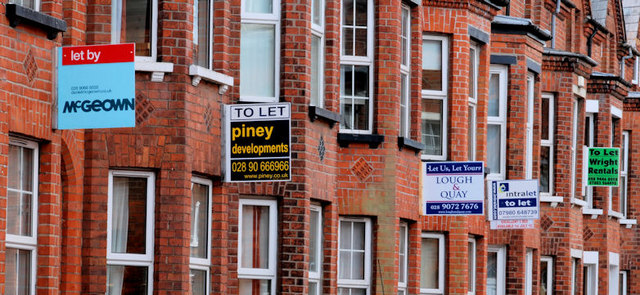
Manchester is the UK’s most renter-heavy city but there is little that even Manchester can do locally to protect private renters when landlords hike market rents. These problems the city faces are reflected across the country too as a major cost-of-living problem.
There are 12.9 million Britons living in private rented homes who need decisive change and protection from hardship. Market rents are stretching renters’ finances beyond what is affordable while there is some evidence to suggest landlords are routinely overpricing their properties. This means rents are absorbing ever higher shares of household income. 45 per cent of private renters have unaffordable rents (above 30 per cent of their income), and forecastssuggest increasing rents will eat into any growth in average wages into the 2030s.
The government is right to pursue building more new homes, but the effect of this on prices will be longer term. Renters face pressure now, particularly with the war in Iran stoking inflation risk.
That’s why, at the Fabian Society, we are investigating how to make renting more affordable. In recent weeks, we have talked with groups of renters from across the country, including Manchester. They described high rents as part of an interlocking affordability crisis across energy, food, and transport costs.
One Manchester resident told us that their rent was over half their wage every month, and they cannot realistically afford all their bills let alone the nice things in life. Their son has been ‘dying to move out’ but cannot afford to move locally because rents are outstripping wages. Meanwhile a homeowner in Harlow spoke of their adult children living at home too, unable to move onto the next stage in their lives. They simply cannot see how they will save up for a mortgage if they start renting. The disconnect between market rents and earnings is placing enormous pressure on people and stopping young people getting on in life.
Renters expect the government to act, but want intervention to work effectively, protecting them from unintended consequences, matching previous Fabian Society research. They doubt new housebuilding or policy change will benefit them, and lack trust in politics to improve their lives.
The Government has already taken meaningful steps to protect renters, though they are often overlooked. The Renters’ Rights Act limits rent increases to once annually and allows renters to challenge rises beyond local market rents at tribunal – arguably a soft form of rent control. This will improve renters’ lives and the people we spoke with welcomed it, especially the end of no-fault evictions.
Even before the Renters’ Rights Act, renters who took their case to tribunal were £1,140 on average better off, winning 71 per cent of cases. But these challenges were barely used. Few of the renters we spoke with had heard of the Rent Tribunal and most lacked the trust and confidence to challenge a future rent increase when asked.
The direction of travel on renters’ rights remains right. Affordability needs to be taken further, responding to renters’ concerns. Well-thought-through, short-term protection for renters’ living costs now, should sit alongside increasing long-term housing supply to reduce housing costs.
Government efforts to tackle the cost of living must include further action on rents. Renters expect more, the evidence supports more, and the political cost of inaction is rising. A muscular state willing to intervene in a problem is one of many things the government can learn from Manchester.
Left Foot Forward doesn't have the backing of big business or billionaires. We rely on the kind and generous support of ordinary people like you.
You can support hard-hitting journalism that holds the right to account, provides a forum for debate among progressives, and covers the stories the rest of the media ignore. Donate today.
Donate today