5 key takeaways from Chancellor John Healey’s first Autumn Budget
Healey’s Budget focused on providing cost-of-living support and giving businesses a helping hand
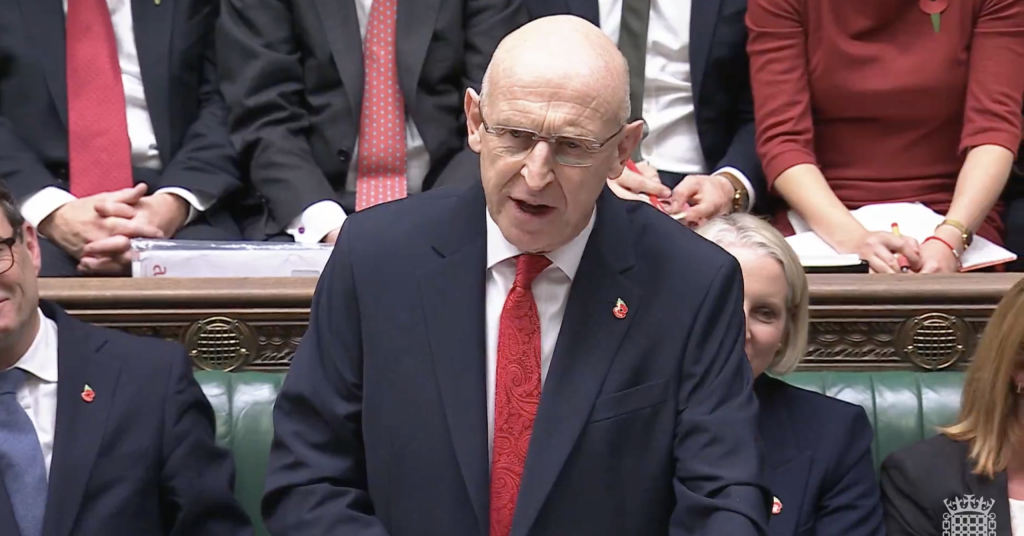
“A Budget for the working people of Britain, for British businesses big and small”. Those were the words Chancellor John Healey used when delivering his first Budget in the House of Commons this afternoon. Healey was keen to emphasise measures designed to give ordinary people much-needed “breathing space”, including support with energy bills and another cut to business rates. As mooted before Budget day, Healey also announced an increase in taxes on banks’ profits.
But for many, this Budget won’t have gone far enough. While it includes measures aimed at easing the ongoing cost-of-living crisis, the Chancellor stopped short of broader tax rises on corporations, while his windfall tax on banks will be only temporary.
Here’s a rundown of what was in Healey’s first Budget today:
- £100 towards energy bills for millions of households
The Chancellor used his Budget to announce that the government will give 20 million households £100 towards their energy bills this winter. Those in council tax bands A to D will receive the subsidy, which Healey said will be “paid directly into people’s bank accounts to deal with rising energy bills”. Healey said the £2.6 billion scheme will help “to take the pressure off in the coldest months and see people through to the spring”.
The Burnham government’s VAT cut on electricity, which had been expected to end in March 2027, will be extended to July – taking “£50 off the annual price cap”, Healey said.
Healey also said the government will abolish the gas standing charge, which costs households an average of £108 per year, “from next year”. He said there will be “similar reforms to follow” for electricity.
Alongside these measures, Healey said the government will deliver radical reform of the energy market to produce cheaper power. This includes the government vowing to only approve energy projects that will lower energy bills and can be connected to the national grid.
2. Minimum wage increase confirmed
Healey announced that the minimum wage for over 21s will go up by 3.9% to £13.21 an hour on 1 April next year. The government has said the uplift represents an increase of £910 to the gross annual earnings of a full-time worker on the National Living Wage. The 18-20 National Minimum Wage will increase from £10.85 to £11.27.
In a move that will help pensioners, Healey also confirmed that pensioners receiving up to £13,040 a year (the value of the full state pension from April 2027) will not have to pay tax on that income. In good news for savers, Healey announced he would drop Rachel Reeves’ plan to reduce the ISA tax-free allowance from £20,000 to £12,000 a year from next April.
- Business rate relief
The business rate relief threshold has been increased from £12,000 to £18,000 for business in the retail, hospitality and leisure sectors. Healey declared that “this means half (around 70,000 businesses) of our shops, restaurants and gyms will pay no business rates at all”.
“For all other businesses in these sectors, their business rates will be frozen in real terms so that none face an above inflation rise for the next two years,” he said. Healey said the government will pay for this policy with a tax rise on machine gains duty from 20% and 25%.
- Increase in tax on banks
To pay for the support with people’s energy bills, Healey said the surcharge tax on banks’ profits will rise from 3% to 6% for 15 months. He said: “I’ve made my choice at this Budget: asking a bit more of our banks to support ordinary people, raising taxes on gambling to support good growth on every high street.”
Banks were poised for an increase in this windfall tax, and the sector appeared to have expected it to be higher, and to last for longer. The Trades Union Congress had been calling for a windfall tax of at least 8%, and has suggested that the government adopt either a 16% tax on bank profits, or a 35% surcharge to generate £60 billion over four years. Following the announcement, banks’ share prices increased, suggesting that investors had feared tougher measures.
5. £10 billion increase in defence spending for Ukraine
John Healey announced £10 billion in additional “economic and military support” for Ukraine including “half a billion in urgent military funding for this winter”.
Healey said that he and Prime Minister Andy Burnham had spoken to Ukrainian President Volodymyr Zelenskyy before the budget and that Zelenskyy “told us ‘you’ve made my day'”. This is the biggest financial package the UK has given to Ukraine since Russia’s fullscale invasion of Ukraine in February 2022.
Olivia Barber is a reporter at Left Foot Forward
Left Foot Forward doesn't have the backing of big business or billionaires. We rely on the kind and generous support of ordinary people like you.
You can support hard-hitting journalism that holds the right to account, provides a forum for debate among progressives, and covers the stories the rest of the media ignore. Donate today.
Donate today