Christopher Harborne has exposed the flaw in Labour’s political donation policy
A universal cap on political donations is simpler, fairer and far harder to sidestep.
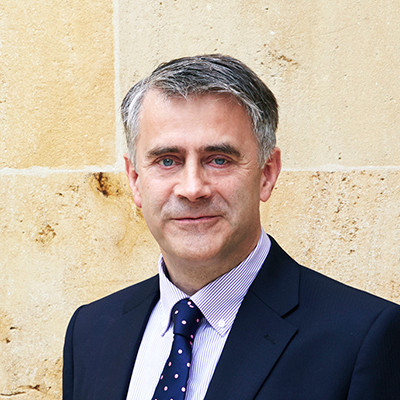
Tom Brake is the chief executive of Unlock Democracy.
We knew this would happen. When Labour announced it would cap political donations from overseas donors at £100,000, Christopher Harborne’s response was unfazed: “Where there’s a will, there’s a way,” he said.
Now, perhaps, he has found a way. Based in Thailand for many years, the crypto billionaire behind Britain’s largest ever political donation (by a living donor) has recently registered to vote at his address in Hampshire.
Is circumventing the new overseas donations cap really as simple as changing the address on the voter registration form? Shockingly, it might be. There is no single test to determine a voter’s residency status.
Registration officers assess the overall circumstances: where someone ordinarily lives, whether a UK address is genuinely their permanent home and, if necessary, evidence such as bank statements or utility bills. Someone with a home in Britain but living primarily abroad could well satisfy those checks.
Either way, it points to an obvious practical weakness in the government’s policy. If the dividing line between limited and unlimited donations depends on whether someone qualifies as an overseas voter, those with the resources and motivation to do so will inevitably look for ways to qualify as UK-based instead.
But the larger problem is inconsistency. If ministers believe a donation over £100,000, from a Brit living abroad, risks giving someone undue political influence, won’t a similarly large donation, from a donor who lives in the UK, also exert improper influence? Big money is no less “game-changing” when it is donated from Bayswater rather than Bangkok.
The latest donation figures show that in the first quarter of this year, just three people accounted for over £8 million in donations – roughly two pounds in every five given to political parties.
Harborne, in the last twelve months, has donated £15 million to Reform UK. Previously he has given large sums to both the Brexit Party and the Conservatives, as well as £1 million to the Office of Boris Johnson (the single biggest donation to a serving MP), and most notoriously, £5 million to Nigel Farage shortly before the Reform leader announced he would stand for Parliament.
Are we really to believe that such massive donations have no impact on politicians or their policies? Rightly or wrongly – and the evidence, of peerage appointments and policy changes, suggests it’s rightly – the public is sceptical. They suspect that with money, in politics, comes power. Polling commissioned by Unlock Democracy found that fewer than one voter in fourteen believes political mega donors expect nothing in return for their cash.
That is why a fixed annual cap that applies to all donations is the logical way forward. It would be far simpler to enforce, because every donor would face the same limit, regardless of where they live. More importantly, it would demonstrate that political access and influence cannot be bought.
Christopher Harborne has exposed the problem with ministers trying to regulate geography instead of influence. A cap deals with both. For Prime Minister-in-waiting Burnham, what better way to signal change and rekindle people’s trust in politics? He will not get a second chance at a first impression.
Left Foot Forward doesn't have the backing of big business or billionaires. We rely on the kind and generous support of ordinary people like you.
You can support hard-hitting journalism that holds the right to account, provides a forum for debate among progressives, and covers the stories the rest of the media ignore. Donate today.
Donate today