948 comments of hate show why Pride still matters
Wera Hobhouse MP explains the importance of Pride
Wera Hobhouse is the Liberal Democrat MP for Bath
On 1 June, I posted on my Facebook page to mark the start of Pride Month and highlight the ongoing need to stamp out discrimination faced by the LGBTQI+ community. The post was met with an outpouring of abuse. At the time of writing, my post has garnered 948 comments — the vast majority of which are hateful, shocking and cruel. Many of these describe LGBT+ people as “sick”, “mentally ill”, or “perverted”. Others simply dismiss Pride Month altogether, writing “no one cares”.
Thankfully, that is not true. Across the country, people care deeply about Pride Month and what it represents. Throughout June, Pride events brought together communities, families and businesses to celebrate and show their support. Yet the cesspit that my comment section has become does reflect a shift in recent years, where discussions around LGBT+ rights and representation have grown increasingly toxic and divisive, threatening to erode the progress we have made. This shift has been fuelled in particular by populist right‑wing politics, both here in the UK and abroad.
Since returning to power, Trump has enacted sweeping anti‑LGBT+ legislation in the United States as part of his crusade against “wokeness and gender ideology”. He has moved to cut funding for gender‑affirming care, HIV services, and grants for universities and nonprofits supporting LGBTQ+ people, as well as continually attacking DEI (diversity, equity and inclusion). These actions are being felt in the UK, with LGBT+ charities seeing donations collapse as corporate funding is withdrawn. Stonewall, the UK’s biggest LGBTQ+ charity, revealed corporate donations had more than halved in the last financial year.
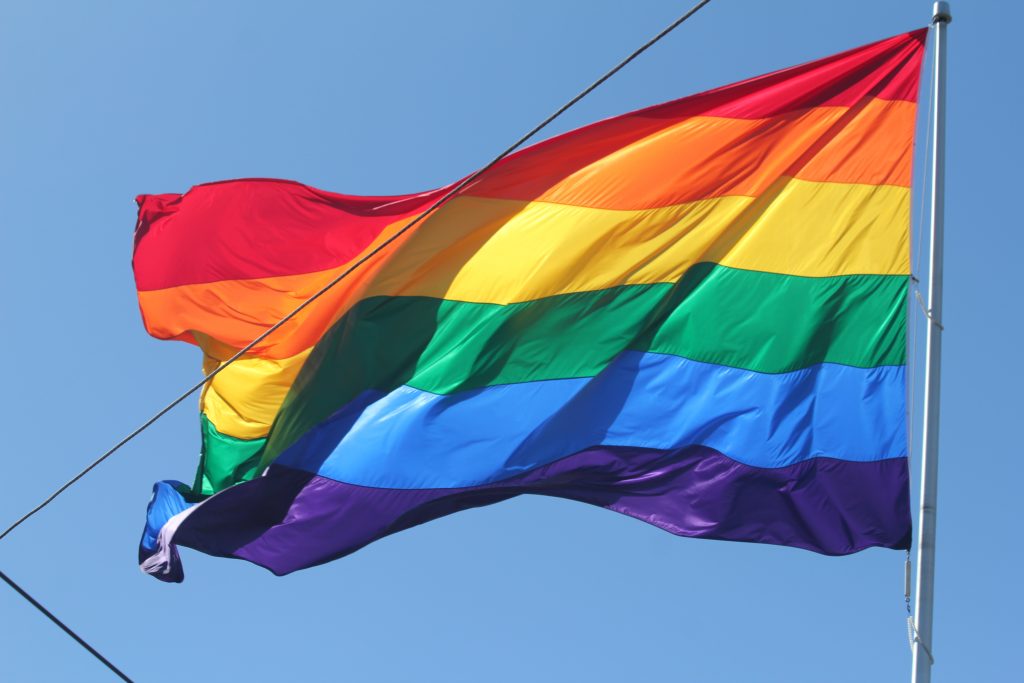
Meanwhile, in UK politics, Reform has increasingly taken steps to reduce LGBT+ visibility, including banning the Pride flag from buildings owned by Reform‑run councils. Flying a flag is a simple and harmless act, but one that is deeply important as a symbol of acceptance and belonging. Its positive impact is clear in a YouGov survey which found that 67% of LGBT+ people feel safer when seeing a Pride flag displayed in a small public setting such as a café — proving how visibility like this really does matter. Reform removing these flags sends a clear message: LGBT+ people are not welcome or supported. In Durham, the Reform‑run county council went further by axing Pride funding entirely. The event only survived because trade unions stepped in to cover the costs.
Reform figures have also allowed anti‑LGBT+ rhetoric to creep into their speeches. Reform MP Danny Kruger warned against left‑wing parties forming what he called an “appalling Hamas‑supporting, LGBT‑supporting nationalist party,” saying these are “all the things the British people have rejected time and again.” This is a shocking statement not least because it directly condemns the idea of an LGBT+ supporting government, but also because of the implication this is something undesirable and dangerous.
Meanwhile, Nigel Farage has previously claimed that children with two “stable parents” have the best chance in life, arguing that the most stable relationship tends to be between a man and a woman. Such a claim is backed by no meaningful evidence. Children do benefit from having a stable home but the gender of their parents is irrelevant to this. Comments like this indirectly challenge the legitimacy of gay marriage and adoption, and further fuel anti‑LGBT+ attitudes. They form part of an effort not to openly oppose these rights openly, but subtly undermine and question them.
And to top it off, Reform wants to scrap the 2010 Equalities Act — vital legislation that protects LGBT+ people and other minorities from discrimination and harassment.
This pushback on progress is deeply alarming. In Parliament, I have fought for LGBT+ rights, including long calling for a trans‑inclusive conversion therapy ban to finally outlaw the traumatic practice of trying to force people to change their sexuality or gender identity. Conversion therapy is just one example of how discrimination persists: these practices are still not illegal. I am glad the Government has finally released a draft bill to end this practice, but they must move quickly to put it into law, because every day leaves people at risk of this vile abuse.
The backsliding of LGBT+ rights in the UK is clearly illustrated by the Rainbow Map, which now ranks the UK 22nd — a damning contrast to 2015, when we topped the list. Reform’s actions and rhetoric will only worsen this. Already, at a local level, we’re seeing their approach in action: stripping back funding, reducing visibility, and signalling that LGBT+ identities are something to be hidden. This reduction of services and visibility will erode tolerance and support for the LGBT+ community. When people see politicians express these attitudes towards LGBT+ people, they feel emboldened to repeat them; increasing discrimination, decreasing safety, and creating an environment where rolling back rights is a feasible next step.
I’ll keep fighting for LGBT+ rights and representation because the hatred that my post received online shows how desperately important this still is. We must be visible in our support, loud in our opposition to Reform, and clear that we stand with the community. And in times like these, we should not underestimate the simple act of flying or displaying a Pride flag. It’s a powerful symbol that shows LGBT+ people they are supported, they are celebrated, and they belong.
Left Foot Forward doesn't have the backing of big business or billionaires. We rely on the kind and generous support of ordinary people like you.
You can support hard-hitting journalism that holds the right to account, provides a forum for debate among progressives, and covers the stories the rest of the media ignore. Donate today.
Donate today