Britain warned against complacency as Germany cracks down on the far-right
The move serves as a wider European reminder that democratic systems cannot assume immunity from extremism simply because threats emerge through electoral politics rather than outside them.
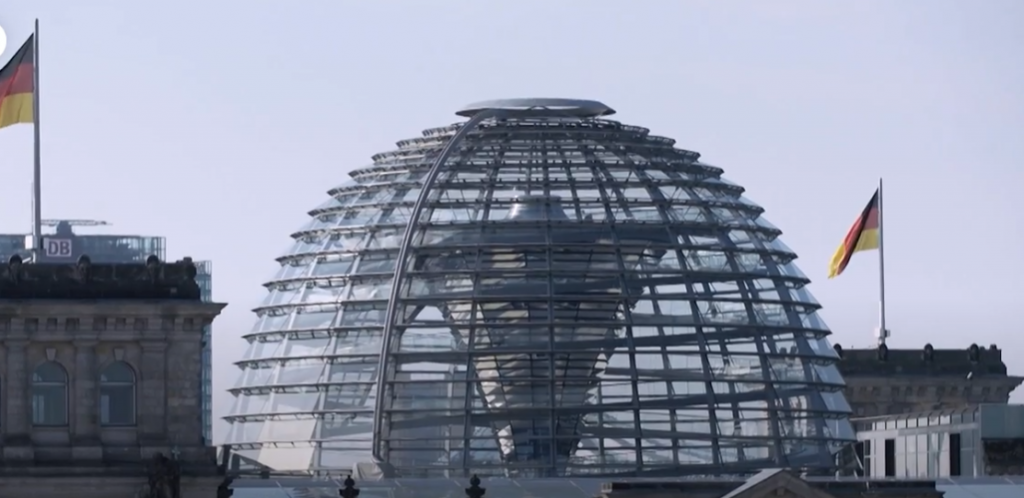
In early May, Germany’s domestic intelligence agency, the Federal Office for the Protection of the Constitution, formally designated the Alternative für Deutschland (AfD) as a right-wing extremist organisation. The decision marked an escalation in Germany’s efforts to confront threats to democratic institutions and constitutional order.
The move came just months after the AfD secured its strongest ever electoral performance, finishing second in Germany’s February federal elections with 20.8% of the vote and 152 seats in the 630-seat Parliament. The party has also drawn vocal support from prominent figures within the Trump administration in the United States.
As the BBC reported, Germany’s foreign ministry defended the classification after US secretary of state Marco Rubio condemned it as “tyranny in disguise”, while vice-president JD Vance claimed Germany was “rebuilding the Berlin Wall.”
Writing on X, Vance said that “the AfD is the most popular party in Germany, and by far the most representative of East Germany. Now the bureaucrats try to destroy it.”
The AfD has already been under surveillance for suspected extremism, and regional intelligence agencies in three eastern German states, where the party enjoys its strongest support, had previously classified local branches as right-wing extremist.
Campaign group Sheffield for Europe said the development shows how seriously German authorities are treating threats to democratic stability.
They wrote: “This article from last May reports on how the German intelligence services have classified the righting Alternative fur Deutschland (AfD) as extreme-right, and are monitoring their activities – just showing how alive the German authorities are to the threats to their democracy.”
It argued that, while intelligence matters are rarely discussed publicly, “we would expect and hope that our own intelligence services are actively monitoring Reform, including those who are providing lavish funding to undermine democracy – indeed, it would be incredibly negligent if they were not doing so.”
The group pointed to several issues it believes warrant scrutiny. These include the case of former Reform UK Wales leader Nathan Gill, who is serving a prison sentence after being convicted of accepting Russian-linked payments to promote pro-Kremlin narratives during his time as an MEP. It also highlighted controversy surrounding Reform UK leader and Clacton MP Nigel Farage, including questions raised over a reported £5 million gift from a Thailand-based businessman for personal security.
The group further argued that questions remain unanswered about the full extent of foreign influence in British politics, particularly following longstanding calls for the complete publication of the Russia Report into allegations of “dark money” entering the UK ahead of the 2016 Brexit referendum.
They concluded with a warning against political complacency:
“The media seem peculiarly naive and silent on the threat to democracy and human rights posed – ‘it could never happen here’ complacency of jaw dropping magnitude.”
Germany’s designation of the AfD may have been aimed at domestic concerns, but it also serves as a wider European reminder that democratic systems cannot assume immunity from extremism simply because threats emerge through electoral politics rather than outside them.
Left Foot Forward doesn't have the backing of big business or billionaires. We rely on the kind and generous support of ordinary people like you.
You can support hard-hitting journalism that holds the right to account, provides a forum for debate among progressives, and covers the stories the rest of the media ignore. Donate today.
Donate today