


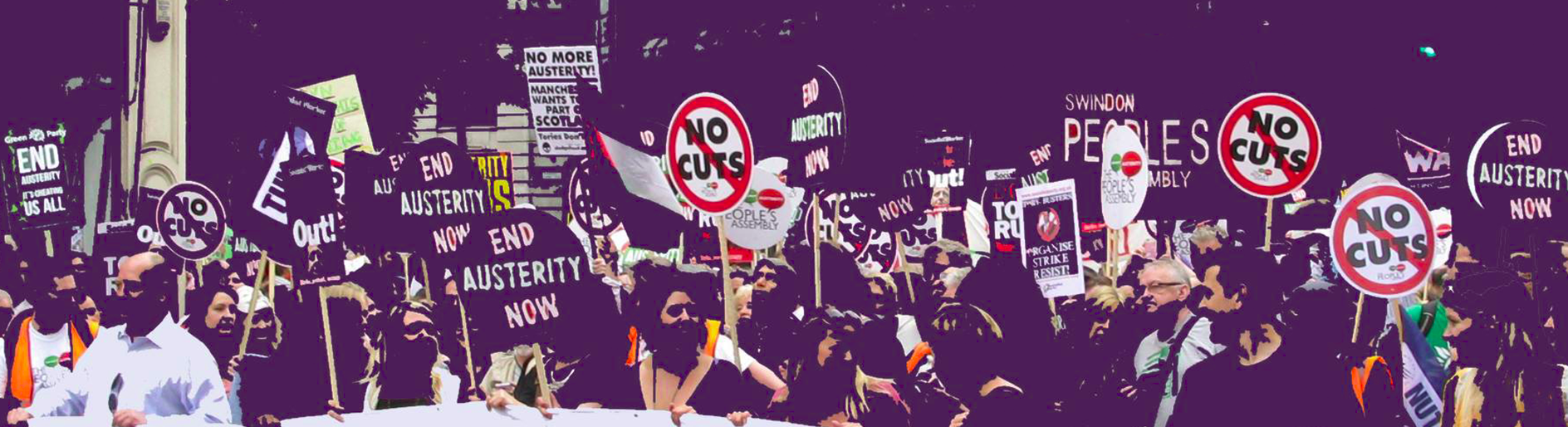

This report sheds light on public attitudes to climate policy
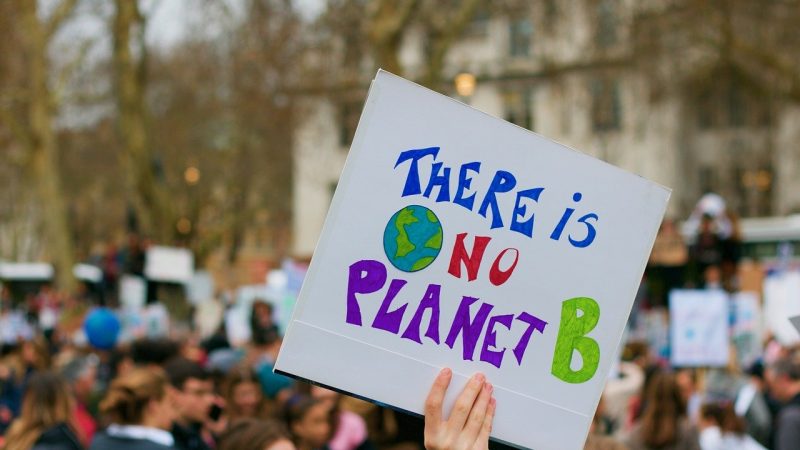
New research has found that opposition to net-zero policies to address the climate emergency has been overstated. This has been published as part of a report from the Institute of Public Policy Research (IPPR) and Persuasion UK.
According to the report, over 60 per cent of the public support the UK’s target to get to net-zero carbon emissions by 2050. Their analysis comes from three years’ worth of data from polling firm YouGov.
The research indicates that the claims of a voter backlash against climate policies are overstated and that there is limited evidence that climate policy is driving voters to defect from Labour to reform. According to the analysis, just 4 per cent of Labour-to-Reform switchers cite climate or net-zero as a reason for changing their vote.
However, the analysis identified there is a significant gap between public opinion and politicians’ perceptions of it. According to the research, MPs are underestimating support for net-zero, with Tory MPs understating public backing by 18 percentage points.
The researchers attributed this misperception to a rapidly polarising political environment, in which rhetoric on climate has become decidedly more negative since 2022 despite little change in voter attitudes.
The report also highlighted the role of the media in amplifying a sense of backlash. IPPR and Persuasion UK analysis reveals that in 2025, online news coverage was more than two and a half times (160 per cent) as negative towards net-zero than public sentiment.
Becca Massey-Chase, principal research fellow and head of citizen engagement at IPPR, said: “Claims of a voter backlash against net zero have taken hold in Westminster, but the evidence shows they are largely a political myth. The British public continues to support climate action, and politicians risk fighting the wrong battle if they assume otherwise. The real danger is not public opinion – it is elite division and media narratives creating a false sense of risk.”
As a result of all the findings, the researchers have argued progressive politicians risk making a serious electoral miscalculation if they dilute climate ambition in response to populist right attacks.
The IPPR has therefore set out four priorities on net-zero policy it has for progressives that it says will resonate with voters. These are:
- Making a confident case for climate action: net zero remains electorally safe territory, and retreating from it risks losing support, particularly among younger and progressive voters.
- Putting climate impacts back on the agenda: highlighting real-world effects such as flooding and extreme heat increases public engagement and resolve.
- Future-proofing progress: encourage cross-party voices to reduce polarisation.
- Building trust through fair policies: measures that reduce bills, support clean technologies and involve communities directly can embed long-term support.
Sam Alvis, associate director of environment and energy security at IPPR, said: “Some politicians are deliberately trying to undermine public support for climate action. But the public still cares about protecting themselves and their children from the impacts of climate change. In the face of these constant attacks, policymakers must focus on making clean energy choices simple, affordable, and part of everyday life.”
Chris Jarvis is head of strategy and development at Left Foot Forward
Left Foot Forward doesn't have the backing of big business or billionaires. We rely on the kind and generous support of ordinary people like you.
You can support hard-hitting journalism that holds the right to account, provides a forum for debate among progressives, and covers the stories the rest of the media ignore. Donate today.