



“This guy is excellent at convincing me never to enter one of his pubs."
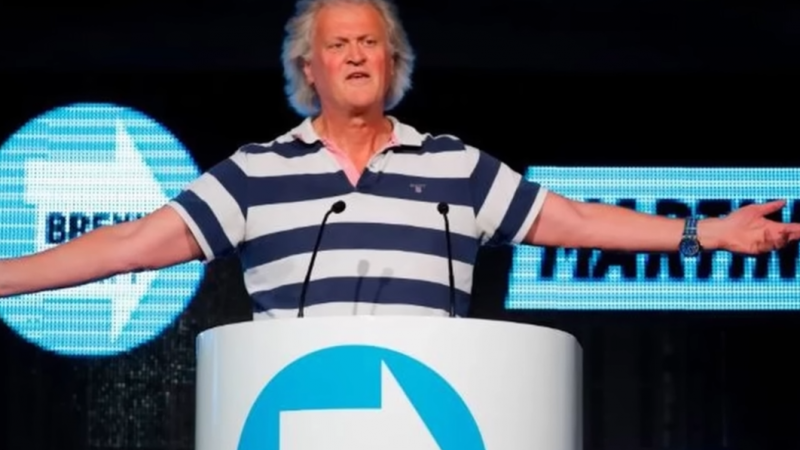
Tim Martin, the outspoken founder and chairman of JD Wetherspoon, has sparked yet more controversy after claiming that increases to the minimum wage are “making people worse off.”
In an interview with the Telegraph, Martin argued that what was intended as a safety net has become politically inflated and economically counterproductive.
“The minimum wage seems to be lowering the standards of living by reducing investment and job vacancies and by increasing pay for new starters at the expense of experienced staff,” Martin said. “It was a supposed to be a safety net but it’s turned into a competition between political parties as to who will offer the biggest rise.”
His remarks come ahead of upcoming changes to the UK’s statutory pay and while many households continue to grabble with high rents, rising food rises and sky-high energy bills. For millions of workers, minimum wage increases have not represented political grandstanding but a necessary adjustment to keep pace with inflation.
The National Minimum Wage was introduced in April 1999 by the then Labour government. It marked a watershed moment in British labour market policy. Established following recommendations from the independent Low Pay Commission, it was designed explicitly to tackle exploitative low pay while balancing the needs of employers. Over more than two decades, it has become a central pillar of UK employment law.
In the Autumn Budget, Chancellor Rachel Reeves confirmed further increases. From April 2026, the hourly rate for workers aged over 21 will rise by 50p to £12.71, while those aged 18 – 20 will see an 85p increase to £10.85. The policy reflects the government’s stated ambition to strengthen wage growth for lower-paid workers amid ongoing cost-of-living pressures.
Public reaction to Martin’s comments was largely critical. On social media, some argued that if profitable companies object to wage rises, they could instead examine executive pay or shareholder returns before claiming that frontline workers’ modest increases are damaging the economy.
“He meant to say it’s not making me richer,” one commenter wrote. Another added: “By people he means millionaires.”
Martin has also backed proposals from Reform UK to cut VAT in the hospitality sector and reduce beer duty by 10 percent, measures he claims would “utterly transform” the pub landscape. While such tax reductions could ease cost pressures on operators, critics have questioned whether savings would be passed on to consumers and staff or absorbed into profit margins.
Martin was mocked for those comments too, with some accusing him of advocating policies that favour operators while resisting measures that directly raise workers’ incomes.
As one Facebook user wrote: “This guy is excellent at convincing me never to enter one of his pubs, just like one of my locals which has GB ‘non-news’ streaming constantly.”
Left Foot Forward doesn't have the backing of big business or billionaires. We rely on the kind and generous support of ordinary people like you.
You can support hard-hitting journalism that holds the right to account, provides a forum for debate among progressives, and covers the stories the rest of the media ignore. Donate today.