



Wealth growth has been strongest for the world’s ultra rich.
The World Inequality Report 2026 reveals startling evidence of how steeply wealth has concentrated at the very top of the global income distribution. The report, the third of its kind, draws on research from more than 200 scholars affiliated with the World Inequality Lab and contributing to the world’s largest database tracking the historical evolution of inequality.
It shows the top 10 percent of global income earners now earn more income than the remaining 90 percent put together. Additionally, the richest 0.001 percent hold three times the wealth of the poorest half of humanity. Their share of global wealth has risen from nearly 4 percent in 1995 to more than 6 percent today. Over the same period, the wealth of multimillionaires has grown by roughly 8 percent per year, almost double the growth rate experienced by the bottom 50 percent.
“The result is a world in which a tiny minority commands unprecedented financial power, while billions remain excluded from even basic economic stability,” the authors write.
They added that while inequality had “long been a defining feature of the global economy”, by 2025 it had “reached levels that demand urgent attention.”
But the report presents evidence that inequality can be reduced when governments choose to act. Several policy areas, in particular, have shown success. It urges for public investment in education and health, that free, high-quality schools, universal healthcare, childcare, and nutrition programmes can significantly reduce early-life disadvantages and create opportunities for lifelong learning and mobility.
It argues redistribution programmes, such as cash transfers, pensions, unemployment benefits, and targeted support for vulnerable households, can directly shift resources toward the bottom of the distribution and improve living standards.
It says advancing gender equality through policies that address structural barriers, such as recognising and compensating unpaid care work and ensuring access to affordable childcare, can narrow longstanding gender gaps and broaden economic participation.
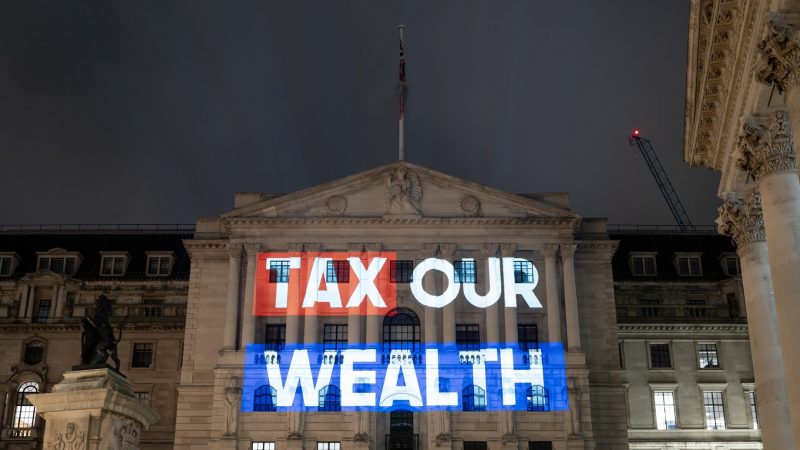
Fairer tax systems, in which those at the very top contribute at higher rates is a “powerful lever” for reducing extreme wealth concentration, say the authors.
The new findings follow an earlier 2025 report from the Fairness Foundation and researchers at King’s College London, which warned that rising wealth inequality in the UK could become a “major driver of societal collapse” within the next decade.
The study concluded the country is on a trajectory of decline, with widening wealth gaps threatening social cohesion and risking further deterioration unless meaningful interventions are adopted.
Public attitudes reflect these concerns. Nearly two-thirds of Britons now believe the very rich have too much influence over UK politics, a much higher share than those who say the same about businesses (40 percent), religious organisations (40 percent), or international bodies such as the EU and UN (38 percent).
James Perry, who participated in the Kings College study and is a member of Patriotic Millionaires UK, said:
“Wealth inequality presents a strategic risk to the UK’s economy, society, democracy and environment. The workshop organised by the Fairness Foundation and King’s College London clearly showed the breadth and depth of concern not only about the negative impacts of wealth inequality that we are already seeing, but also about the risks that these impacts could spiral out of control over the coming years. Urgent action is required.”
Left Foot Forward doesn't have the backing of big business or billionaires. We rely on the kind and generous support of ordinary people like you.
You can support hard-hitting journalism that holds the right to account, provides a forum for debate among progressives, and covers the stories the rest of the media ignore. Donate today.