


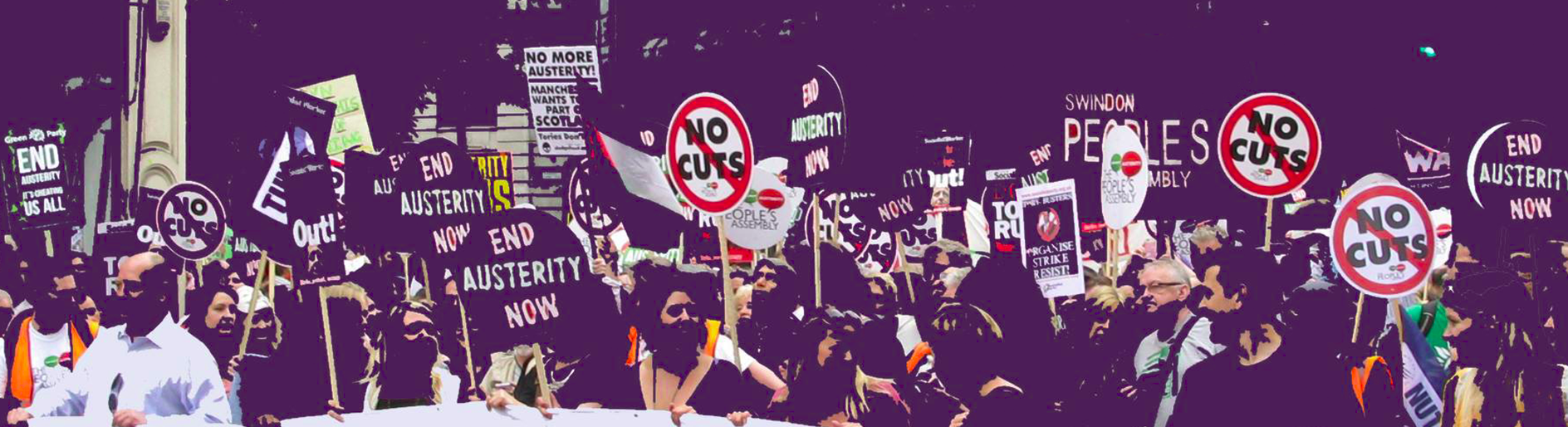

In its quest for middle England voters, Labour has for too long taken Scotland for granted.

In its quest for middle England voters, Labour has for too long taken Scotland for granted
‘Ten days to save the Union,’ declares this morning’s Daily Telegraph. ‘No campaign makes last stand to keep the Union,’ argues the Guardian. ‘Queen holds talks with David Cameron over fears her PM may be about to lose Scotland in referendum,’ screams the headline in today’s Daily Record.
Polls may come and go, but yesterday’s YouGov data for the Sunday Times, pointing to a two point lead for the yes to Scottish independence campaign, has electrified the chattering classes both north and south of the border in a way that no other poll has in recent times.
Make no mistake about it, if anyone felt at all complacent about next week’s referendum result they should shake themselves out of that mindset now. An independent Scotland is as real a possibility today as it has ever been.
In response to the crisis confronting the Better Together, and I don’t use the word crisis lightly, David Cameron, Nick Clegg and Ed Miliband will later this week unite to set out a timetable for further devolution to the Scottish Parliament and Government in the event of a no vote next week.
But therein lays the problem: it is but a timetable and not a united package of measures.
When David Cameron and Alex Salmond famously signed the Edinburgh Agreement in 2012, David Cameron vetoed any attempt to include so called ‘Devo Max’ on the ballot paper, arguing that it would muddy the waters – this despite the polling showing clearly that this is Scotland’s favoured option.
Yet, having kept it offer the ballot paper, Better Together are now arguing, somewhat convolutedly, that a no vote is actually a yes vote for further powers for Scotland. The problem is that with the Lib Dems, Conservatives and Labour having already set out their own, differing, plans for Scotland, what plans would voters in Scotland be supporting if they reject the SNP’s invitation to leave the Union?
Faced with such confusion, it’s little wonder that for many the clear message of independence seems more appealing than vague promises of unknown extra powers for Holyrood.
But with Labour Party supporters now increasingly attracted to independence, there remains a more fundamental question concerning Labour’s attitude to Scotland.
Under the days of John Smith, Robin Cook, Gordon Brown and Donald Dewer, to name but a few, the Labour Party had at its helm heavyweight Scottish politicians, providing assurances, as no other politicians have, to Scottish voters that their anxieties, their concerns, their hopes and their dreams were being articulated loud and clear at the very top of the UK political tree.
Yet for all the qualities they might have, today’s crop of Scottish Labour politicians – both at Holyrood and in the shadow cabinet – cannot be compared to the stature and respect that John Smith et al managed to command.
In its quest for middle England voters, Labour has for too long neglected Scotland and taken it for granted, with Scottish voters responding in kind by making clear that it is the SNP, rather than Labour, that is now their preferred party.
If Scotland votes to leave the Union next week Labour will have to shoulder as much of the responsibility as a Coalition Government so hated by Scottish voters.
Left Foot Forward doesn't have the backing of big business or billionaires. We rely on the kind and generous support of ordinary people like you.
You can support hard-hitting journalism that holds the right to account, provides a forum for debate among progressives, and covers the stories the rest of the media ignore. Donate today.
18 Responses to “Better Together are in a crisis of their own making”
Leon Wolfeson
The hype over one poll is amazing, especially since for instance standard polling does not generally engage with 16-17 year olds, but the evidence from polling aimed at them so far says they overwhelmingly support the Union.
Labour is once more talking to a narrowing base of centralist supporters, of course, but that’s it’s problem. Change is still better when delivered across the Isle (and the reality is that a UK collapse would take a Scottish economy down for the count anyway, a scenario made far more likely if the right wingers get their way).
Chrisso
You need to read up on this before claiming: “The rest of the UK bailed out the Scottish banks that caused 40% of the liabilities in the UK crash. …There is evidently no gratitude in Scotland for the fact that the rUK saved their arses by taking on much more than our share of the burden and thus lightening theirs.”
They were London-based and resourced banks, Scottish in name alone. You’ll next be suggesting it was Scottish profligacy rather than Westminster’s lack of proper regulation that caused them to crash. There’s also an argument that Darling should have limited the amount of public liability he took on for any banks but that’s another thread.
robertcp
I agree.