


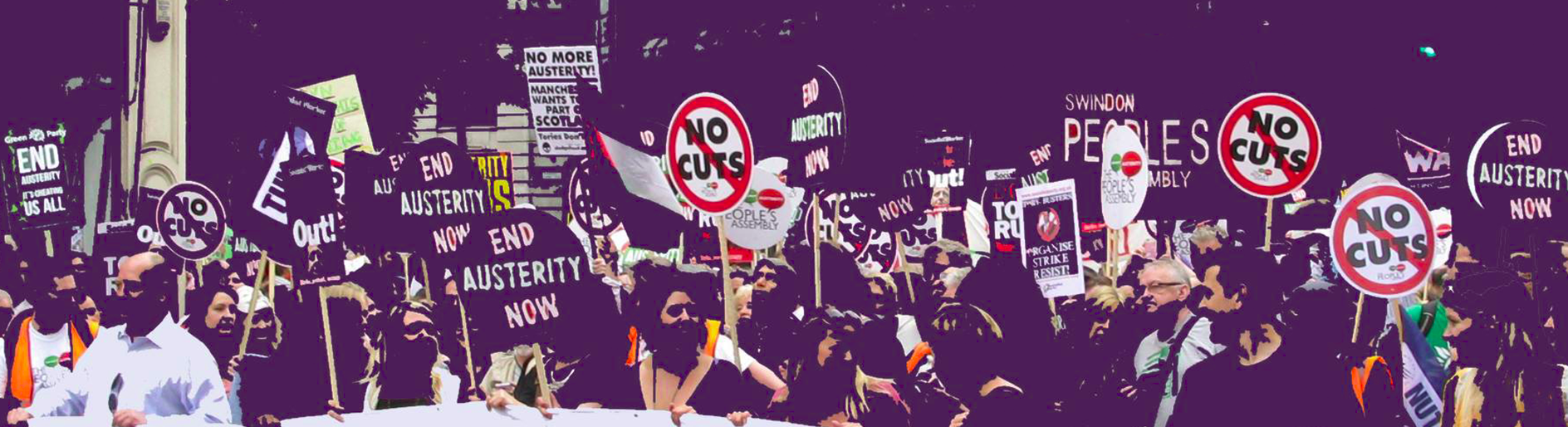

Chris Huhne and Baroness Warsi today attempted to lay the blame for cuts to come at Labour's door. But the level of cuts was their ideological choice.

At their press conference today, Baroness Warsi and Chris Huhne dishonestedly tried to lay the blame for the approaching spending review at Labour’s doors. Later today, Warsi claimed in an email to Conservative party supporters that, “the cuts to come are Labour’s cuts.” The claim is a lie. The cuts to come are the Coalition’s cuts.
The June Budget set out how the Coalition’s deficit reduction plan differed from Labour’s plan which was set out in the March Budget. The Chart below using data from Table 1.1 of the Budget sets out the different approaches.
Chart: Deficit reduction (£bn by 2014-15)

The Bank of England’s Inflation Report set out today that:
“The measures announced in the June Budget are projected to lead to a somewhat faster and larger reduction in the deficit in coming years than projected in the March Budget …
“The direct impact of the fiscal consolidation is likely to have some dampening effects on demand. Some households’ disposable income is likely to be reduced or grow more slowly as a result of the consolidation, and some companies are likely to face lower public sector demand for their goods and services. But those effects may be offset, to some degree, if the consolidation improves investor confidence and reduces the risk of a significant rise in long-term interest rates.”
The Bank’s language clearly indicates that the Budget was a choice. The Coalition put concerns about long-term interest rates ahead of concerns about growth. The fallacy of their argument is that lower growth will lead to more job losses, lower tax receipts, a widening deficit, and the prospect of rises in interest rates anyway.
In their press conference Chris Huhne claimed, “Labour’s last budget planned cuts of £50 billion, so why are they unable or unwilling to admit where they would fall?” Yet the Coalition has – to date – only set out one third of the total cuts that it plans. The Coalition set out £6.2 billion of cuts in May followed by £11 billion of cuts to welfare spending in the June Budget – a mere fraction of the eye watering £52 £83 billion in cuts that are planned by the Coalition this Parliament.
Make no mistake about the Coalition’s tactics. David Cameron’s capitulation this week on school milk, showed how the Government have finally woken up to the pain that will be caused by their ideological approach. The Lib Dems and Tories may be “in this together” but the cuts are theirs and no-one else’s.
Left Foot Forward doesn't have the backing of big business or billionaires. We rely on the kind and generous support of ordinary people like you.
You can support hard-hitting journalism that holds the right to account, provides a forum for debate among progressives, and covers the stories the rest of the media ignore. Donate today.
33 Responses to “Coalition lies on Labour’s legacy”
mike
Why has Cameron stated that if the economy improves
he will not restore any projects cut now
if its not about cuts for the sake of cuts
Mr. Sensible
Will, I think you forgot to mention that Huhne and his friends supported Labour’s plans before the election, or so they were telling us on the doorsteps.
Perhaps Huhne can clarify when the Lib Dems changed their mind on the deficit? Was it before the election, or in the coalition talks?
Either way, as they come up to their party conference, the Liberals need to take a good look at themselves for propping up this tory government.
And, ‘Fat Bloke on Tour’, good point well made.
And you mention the forecasts, I think the OBR’s forecasts based on Labour’s figures tell a story.
And, Mike, yes, I noticed that too. Talk about letting the cat out of the bag…
Michael Burke
Guido says there are no cuts because spending will rise. That’s a non sequitur. Only the wilfully self-deluded would ignore the effects of rising prices, so that even unchanged outlays would require real cuts in services and jobs. According to the Budget (Table C5) inflation will will rise by 16.1% across the economy oer the next 6 years, while in some sectors, noably healthcare the inflation rate is persistently much higher. In table C13 Departmental spending (RDEL) will rise by 1.6%, annual expenditure (RAME) not including interest, EU transfers and accounting adjustments will rise by 10.2% and public sector net investment will fall by 57.3%. These are real falls of 14.5%, 5.9% and 73.4% respectively.
We know, thanks to the Guardian leaks, that the real OBR forecasts for employment are for 1.3mn jobs to be lost in the public and private sectors as a result of £82bn in cuts. Advocates of slower or reduced cuts, £50bn in the March 2010 Budget, need to explain why this wouldn’t result in pro rata job losses (and service cuts), of the order of 800,000.