Almost 4 million people in destitution in the UK, new research finds
The Joseph Rowntree Foundation has warned that the destitution crisis is becoming entrenched
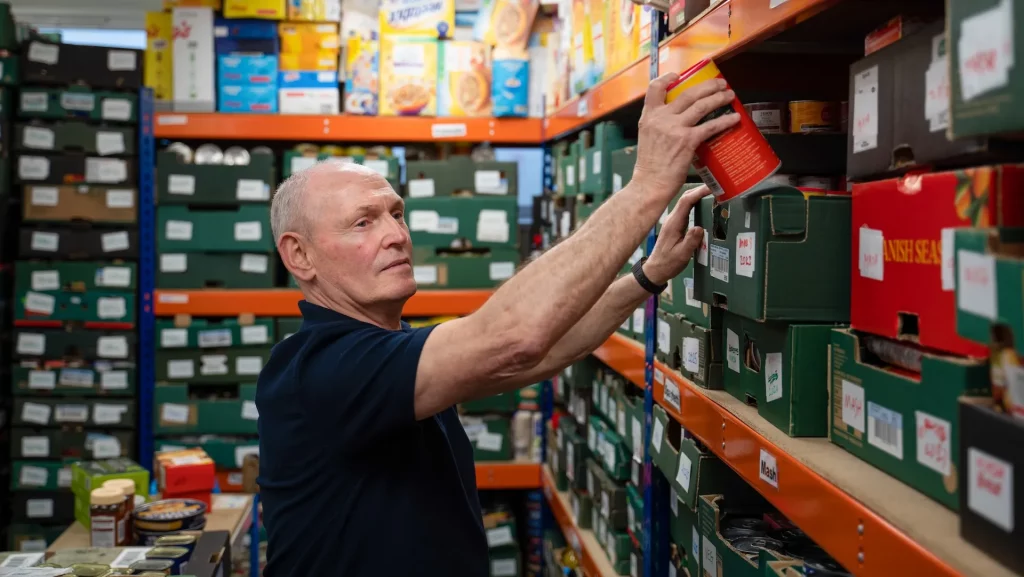
Destitution risks “becoming the norm” in the UK, with nearly 4 million people, including almost one million children living in extreme poverty last year, according to new research.
The study, funded by the Joseph Rowntree Foundation (JRF) and conducted by Heriot-Watt University, found that 3.8 million people experienced destitution in 2025.
Destitution is classified as being unable to afford the basic necessities needed to eat, stay warm and dry, and keep clean.
Levels of destitution more than doubled in the UK between 2017 and 2022, rising from 1.5 million to 3.8 million, and have remained stubbornly high since then.
The most common basic necessity that people were going without was food, with 61% of destitute households skipping meals on a regular basis in the month prior to survey completion.
Just over two-thirds (69%) of those surveyed had incomes below the extremely low threshold calculated for each household type.
For single people, the group most likely to experience destitution, it is just £105 per week after housing costs.
One-quarter (24%) of the sample had no income at all, rising to almost two-fifths (38%) among the destitute migrant group.
The survey found that over half of destitute households are headed by people who are:
- single (53%)
- aged between 25 and 54 (66%)
- of White ethnicity (71%)
- born in the UK (68%)
- living in their own homes which they rent or (very uncommonly) own (60%)
- not currently in paid work (90%)
- reporting a chronic health problem or disability (61%)
The Joseph Rowntree Foundation has warned that the destitution crisis is becoming entrenched, with people remaining in destitute situations for longer.
Julian Hartley, group chief executive of the Joseph Rowntree Foundation said: “Today’s figures show that far too many people are going without life’s most basic necessities, while support services are buckling under the weight of need. Without action, we risk destitution becoming the norm for millions in the UK.”
“It’s absolutely right that the government is taking steps to end rough sleeping. But sadly, this is just the tip of the iceberg, with many experiencing destitution away from view. Without action, there is a serious risk of the destitution crisis becoming entrenched.”
Professor Suzanne Fitzpatrick, from the Institute for Social Policy, Housing, Equalities Research (I-SPHERE) at Heriot-Watt University, said: “These findings expose a deeply troubling reality. The extraordinary levels of destitution recorded following the price shocks of 2022 have not receded, with approximately 3.8 million people, including almost one million children, experiencing this most extreme form of hardship in 2025.
“What is particularly disturbing is the evidence that destitution is becoming a more persistent experience, with people repeatedly needing crisis support simply to meet their basic needs. “We are no longer looking at a temporary spike in hardship. Millions of people remain unable to afford the basic necessities needed to live and there is something profoundly wrong when that becomes an enduring feature of life for so many in the UK.”
Olivia Barber is a reporter at Left Foot Forward
Left Foot Forward doesn't have the backing of big business or billionaires. We rely on the kind and generous support of ordinary people like you.
You can support hard-hitting journalism that holds the right to account, provides a forum for debate among progressives, and covers the stories the rest of the media ignore. Donate today.
Donate today