Rachael Maskell MP: Starmer’s welfare reforms were ‘reprehensible’. Any changes Burnham makes must ‘lead with our values’.
LFF spoke to Rachael Maskell at Labour conference
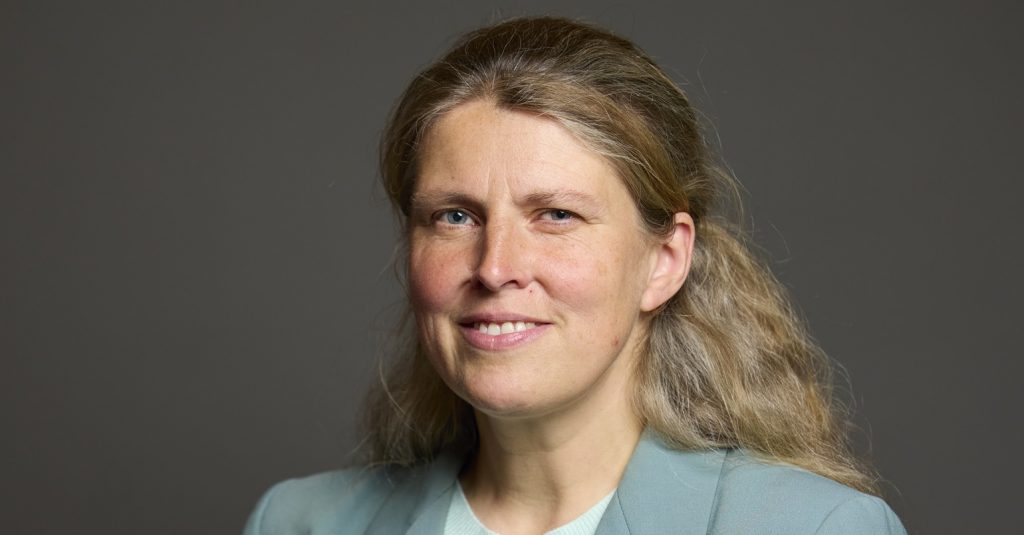
Labour members are currently gathering in Liverpool for the party’s first conference under Andy Burnham’s leadership.
It’s safe to say that the party faithful and it’s elected representatives are in good spirits. The transition from Keir Starmer to Burnham has clearly shifted the level of optimism within Labour.
Labour MP Rachael Maskell is among those who is optimistic.
Speaking to LFF at the conference, Maskell said that the conference had been “really positive” and there has been a “real sea change” in the mood of members. She added that there had been “some good announcements” at this year’s conference.
Maskell then went on to say that Labour needed to be “really bold over the coming weeks and months” and called on the government to “go further, faster” and to ensure that its agenda is “co-produced with our communities to ensure that they’re really fully engaged in the administration as well”.
Despite her optimism about the future of the government, one issue that has been increasingly prominent throughout this year’s Labour conference gives Maskell some concern.
Maskell had the Labour whip suspended last year in part over her role in the rebellion over Starmer’s proposed cuts to disability benefits. Throughout this year’s conference Labour frontbenchers have made clear that some form of welfare reform is coming down the line – with it being a major feature of the speeches given by both the chancellor John Healey and work and pensions secretary Pat McFadden.
Maskell was clear in our interview that she doesn’t oppose reforms to welfare outright. The question is what that reform consists of.
She told LFF: “Well if it’s about getting people into work that can work, I absolutely support that, it’s a really positive direction. I think we can really creative in that space.”
She went on to add: “If we get young people to work, who knows where that will take them and I think we have really got to support young people and also disabled people who have had those barriers put in front of them.”
Maskell then explained the difference between this approach and that which she argues was adopted by Starmer’s attempted reforms.
She said: “For the people that cant work who need that additional support, it’s absolutely crucial that it’s there.
“The kind of right turn that was taken last year and trying to cut personal independence payments, it would have just displaced costs, but also caused a lot of harm to disabled people and we can’t ever revisit that because it was morally wrong. It was reprehensible what they tried to do and I think ultimately caused a lot of distress amongst disabled people.
“So it’s really important that we lead this with our values and ensure that we are supporting people”.
Looking beyond the conference, LFF asked Maskell about what she wants to see the chancellor bring forward in the budget on 28 October. She said that she wants to see a “new floor put in around poverty” and for action to be taken on the “injustice of inequality”.
Maskell told LFF: “I want to see a new floor put in around poverty. I think the injustice of inequality has really caused division in our society and I think we’ve got address that by ensuring we’ve got those minimum income guarantees, whether for children, whether for adults of working age, or indeed for pensioners.”
She later went on to add: “We need to rewire the system. There’s no doubt about it. We can’t continue particularly with the economic direction that we’ve had. And I think I would say John Healey, we know he’s a cautious individual, and I’m sure he’s thinking about the bigger picture moving into the budget and also the comprehensive spending review, but unless we address those big issues of wealth and inequality, then I don’t think we would get the rewiring that we could potentially have that would be transformative to people’s lives.
“I think people see that it’s been unfair and unjust, and therefore whether it’s bringing more public ownership into our utilities and services, or whether it’s about ensuring that wealth is held to account and pays into the system, then I think we will be bouncing along as opposed to soaring high and that’s where we need to be because we know that when we’ve got a more equitable society, if we’ve got a more cohesive society then we see a lot more equalisation on spending, opportunity and for the future.”
Chris Jarvis is head of strategy and development at Left Foot Forward
Image credit: UK Parliament – Creative Commons
Left Foot Forward doesn't have the backing of big business or billionaires. We rely on the kind and generous support of ordinary people like you.
You can support hard-hitting journalism that holds the right to account, provides a forum for debate among progressives, and covers the stories the rest of the media ignore. Donate today.
Donate today