Campaigner explains what Andy Burnham isn’t telling you about his ‘public control’ agenda
'What's going to deliver the improvements that the public is demanding is public ownership - the service owned, controlled, and run by the public in the public interest.'
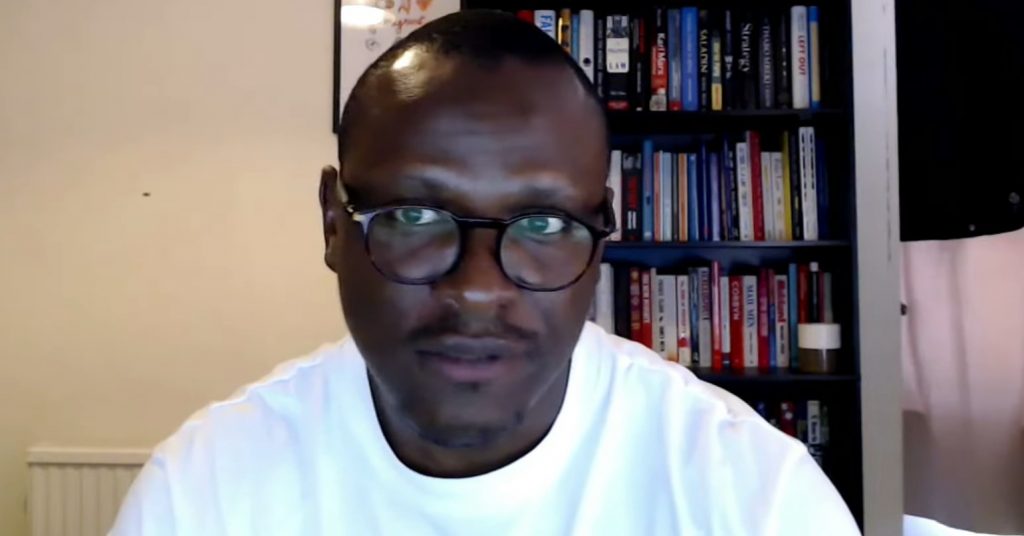
Andy Burnham’s current plans won’t be sufficient to deliver improvements to our public services, a leading campaign group has said. During an interview as part of the LFF Live series, Johnbosco Nwogbo from the anti-privatisation group We Own It argued that Burnham’s move to introduce ‘public control’ into services won’t tackle the big problems they currently face.
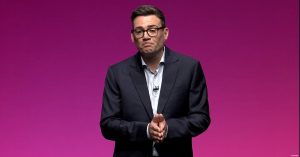
Since the Makerfield by-election, Burnham has made ‘public control’ of elements of the economy key to his pitch. While details of this remain unclear, it appears that Burnham’s phrasing is very specific – stopping short of advocating for public services to be taken into public ownership.
Speaking to LFF, Nwogbo explained the difference between a service being in public control and public ownership. Setting out the difference, he highlighted Greater Manchester’s bus network, which Burnham has leaned heavily on as an example of a public service he has improved.
He said: “We actually got Andy Burnham to bring Greater Manchester buses into public control. Now, we did that as public control is a step in terms of being better than the kind of jungle that they had in Greater Manchester, but it’s not the end of the road.
“Public control essentially says, we tell you the routes that you’re going to run. We tell you how much you’re going to charge for bus fares. We tell you the times that you’re going to run the service, but the buses still belong to the private sector, and they still hire the the bus drivers, and they run the service in effect. Right? So it’s still a privatised service. But the government kind of exercises immense control over how that service is run.”
Nwogbo went on to explain how private bus firms are still able to extract substantial profits from Greater Manchester’s bus network and the impact this has on bus services. “That is money that could be put back into cutting fares for local people into investing in training and hiring new bus drivers so that they’re able to serve the community better – that is not able to be done right now, because profits are still going out of the system”, he said.
Nwogbo then set out how this differs with public ownership. He told LFF: “And that’s fundamentally the difference between public control and public ownership. Under public ownership, we own the service in its entirety.”
Following this, he went on to compare the NHS and the water sector to illustrate the difference between control and ownership. The privatised water sector is currently regulated by Ofwat.
He said: “A very good example of a service that’s in public ownership is the NHS. We own the hospitals. We own the equipment within the hospitals. We hire the doctors and the nurses in the hospitals. We decide how the services will be run in hospitals.
“A good example of a service that’s in public control – which is going to be very interesting to people, because Andy Burnham has been saying he’s going to bring in public control of water and energy and all of those other things – a good example of a service that’s in public control is actually water.
“Because we tell them how they’re going to deliver the service. We tell them that they have to deliver the service to every household in England. We tell them how much they can charge, or they can’t, but how much they can’t increase people’s water bills.”
He continued: “But it’s still a private, privately owned service. Thames Water is still a private company. They still extracted more than 10 billion pounds in dividends from the service since privatisation. But it’s under public control.
“So people should not allow themselves to be got, so to speak, by the narrative of saying ‘public control’.
“But what what the public is demanding, what the public needs, and what’s going to deliver the improvements that the public is demanding is public ownership – the service owned, controlled, and run by the public in the public interest.”
Watch the interview in full here:
Chris Jarvis is head of strategy and development at Left Foot Forward
Left Foot Forward doesn't have the backing of big business or billionaires. We rely on the kind and generous support of ordinary people like you.
You can support hard-hitting journalism that holds the right to account, provides a forum for debate among progressives, and covers the stories the rest of the media ignore. Donate today.
Donate today