All the policy pledges Andy Burnham has made in his first week as prime minister
From policy announcements to dropped pledges, here’s a look at the key decisions Burnham has made since entering No 10 on Monday
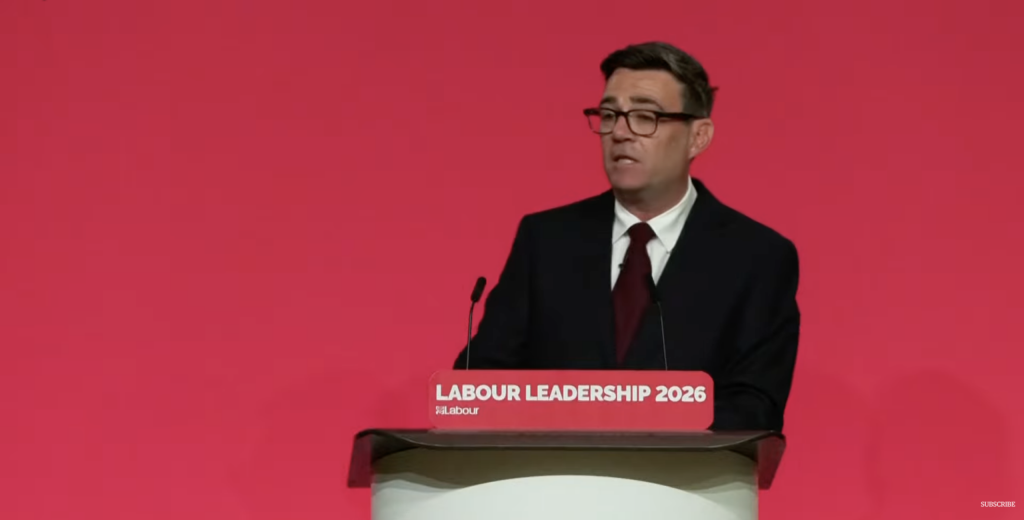
Andy Burnham has wasted no time in announcing new policies and dropping some of the previous Labour government’s proposals in his first week as prime minister.
The word “policy blitz” has been used to describe the pace of announcements, with at least one new policy announced each day. Burnham is clearly aware that he needs to make a significant impact early on in his premiership, to ensure voters know what he has achieved well in advance of the country’s next election.
Let’s take a look at which policies Burnham has ushered in, and which proposals he has dropped – including those inherited from Keir Starmer’s government and some of his own previous pledges.
The ‘policy blitz’
1. Ending rough sleeping
In his first speech as prime minister on Monday, Burnham led with a promise to end rough sleeping. This echoes a pledge he made as mayor of Greater Manchester, when he said in 2017 that he would end rough sleeping in the city region. Commentators have pointed out that he didn’t manage to end rough sleeping in Greater Manchester, and that it is somewhat risky for him to promise this again given how complex rough sleeping is. Nonetheless, the pledge signals Burnham’s focus on tackling homelessness and his ambition to address one of the UK’s most visible and pressing social problems.
2. Scrapping VAT on electricity bills
One of Burnham’s very early moves was scrapping VAT on electricity bills. This will save consumers around £45 per year. While not a huge amount of money, it has been welcomed, with the TUC general secretary, Paul Nowak, calling it “a good start”, along with Burnham’s announcement that he will cap bus fares.
3. £2 bus fares
From January, Burnham will bring back the £2 cap on bus fares. Single bus ticket prices had previously been capped at £2 under the Conservatives in 2023, but that cap was increased to £3 under Starmer’s government.
4. Business rates cut
Another well-received policy has been Burnham’s decision to cut business rates for pubs, social clubs, and grassroots live music venues across England by 20% from April 2027. It could see 32,000 venues save around £1,100 in the 2027-28 tax year. Nonetheless, there have been calls for the policy to be extended to hotels and restaurants too.
Inherited pledges that Burnham has now dropped
1. Digital ID scheme
The new prime minister has dropped Starmer’s Digital ID scheme, which was designed to tackle illegal immigration, but was deeply unpopular among MPs from all parties. Burnham said he would use the £1.8 billion that would have otherwise been spent on digital IDs to cut VAT on electricity bills (which will cost the government around £850 million this financial year). However, Darren Jones MP, who was Starmer’s chief secretary and the Office for Budget Responsibility have said the scheme was unfunded.
2. Early prison release scheme paused
Burnham has paused the controversial early prison release scheme while his government carries out an urgent public safety review. The decision came after a public backlash over the news that two of PC Andrew Harper’s killers could be freed early.
In a statement yesterday, the PM said: “I am working closely with the new justice secretary and have instructed my team to put a pause on the changes that were due to start in September.
“No prisoners will be let out under this policy until we have conducted an urgent review and done everything we can to minimise risk to the public.
Pledges Burnham was considering but seems to have dropped
1. Personal tax-free allowance
The PM had been eyeing raising the £12,570 tax-free allowance, which has been frozen since 2021, to help people with the cost-of-living.
Over the weekend, he told journalists that it was “the thing I heard the most on the doorsteps” during the Makerfield by-election campaign. Earlier in the week, he ruled out making any immediate changes to the personal tax-free threshold, adding that he could look at the measure again before his government sets its first Budget later this year.
2. Rent controls
Another cost-of-living measure Burnham was reportedly considering announcing on Tuesday was imposing rent controls, which limit rent increases either at the rate of inflation or in line with earnings. His government has now backtracked on this, with the returning housing secretary Angela Rayner telling the BBC this morning that she doesn’t think rent freezes or controls are “a way forward at the moment”. She added that in areas like Scotland rent controls haven’t “necessarily brought rents down”.
Jeremy Corbyn and Zack Polanski have criticised Rayner for ruling out rent controls, with Corbyn calling the U-turn “extremely disappointing”.
3. Nationalising Thames Water
Burnham has been clear that he wants to bring more of Britain’s utilities back into “public control” to reverse four decades of Thatcherism. As part of this, it had been widely reported that Burnham was going to bring Britain’s biggest water company into special administration in his first week as prime minister, which would have been the first step to nationalising it.
The government has now said it has no immediate plans to bring Thames Water into special administration. This comes after the water company’s investors offered the government a “golden share” in how the firm is run to fend off nationalisation.
Responding to the U-turn, Sophie Conquest, lead campaigner at We Own It, urged Burnham to put Thames Water into SAR “where it belongs”.
Conquest said: “Thames Water is a symbol of everything that is currently wrong with our economic model: during a cost of living crisis, households are paying eye-watering bills for flooding; outages; hose-pipe bans and sewage-choked rivers – all so that US hedge funds can extract as much money as possible.
“And Burnham knows this – he has said that Thames Water ‘should’ be nationalised”.
She added: “The creditors’ promise of greater public control is an illusion. The government’s ‘golden share’ in Royal Mail hasn’t prevented prices from increasing or services from being cut. United Utilities already has a ‘supervisory structure’, which has done nothing to prevent the utility from pushing up bills and polluting our rivers.”
Olivia Barber is a reporter at Left Foot Forward
Left Foot Forward doesn't have the backing of big business or billionaires. We rely on the kind and generous support of ordinary people like you.
You can support hard-hitting journalism that holds the right to account, provides a forum for debate among progressives, and covers the stories the rest of the media ignore. Donate today.
Donate today