Resident doctors accept government pay offer, ending three years of strikes
They have ended their strike action, but say the deal is just a step towards pay restoration
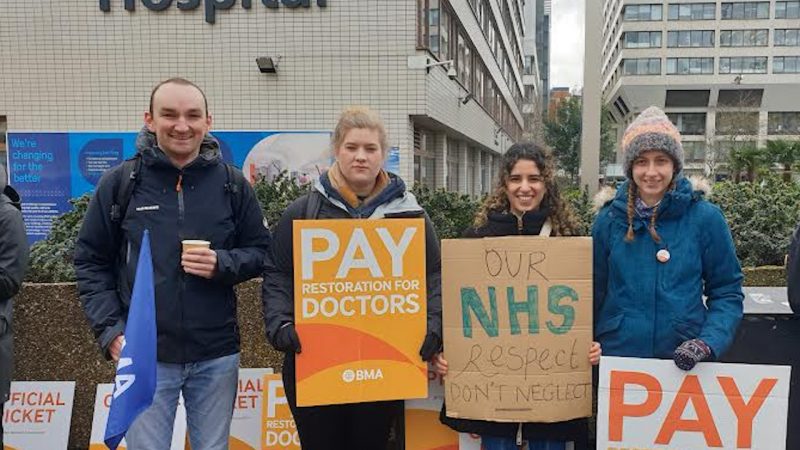
Resident doctors in England have accepted the government’s latest pay deal, bringing an end to three years of strikes.
The offer includes a 3.5% pay rise this year, and backdated pay to 1 April 2026, worth an average of 4.9%.
The pay rise will increase to an average of 6.6% by April 2027.
This means starting salaries will be just over £40,000, with the most senior resident doctors getting £76,500.
The deal also includes an additional 4,500 speciality training places over the next three years, tackling the bottleneck and allowing more resident doctors to progress in their careers.
Jack Fletcher, chair of the British Medical Association (BMA) resident doctors committee, said: “These strikes did not need to happen. We spent far too long at loggerheads with the Government when a solution in everyone’s interest was waiting for us: more jobs for doctors, better pay for doctors, and a better-staffed NHS secured for patients well into the future.”
Fletcher added that “this is by no means the end of the road for pay restoration”.
The BMA says resident doctors, formerly known as junior doctors, have seen their real earnings fall by more than a fifth since 2008 when taking into account inflation.
This brings an end to the resident doctors’ strike action in England, but disputes in other nations, including Northern Ireland – where resident doctors are undergoing a 24-hour walkout today – are ongoing.
Olivia Barber is a reporter at Left Foot Forward
Left Foot Forward doesn't have the backing of big business or billionaires. We rely on the kind and generous support of ordinary people like you.
You can support hard-hitting journalism that holds the right to account, provides a forum for debate among progressives, and covers the stories the rest of the media ignore. Donate today.
Donate today